Manual Therapy in Charlotte
Hands-on care can feel like an afterthought, or like "just a massage." Here it isn't. Every session is guided by a fellowship-level physical assessment, aimed at the joints and tissue actually keeping you stuck.
What is manual therapy?
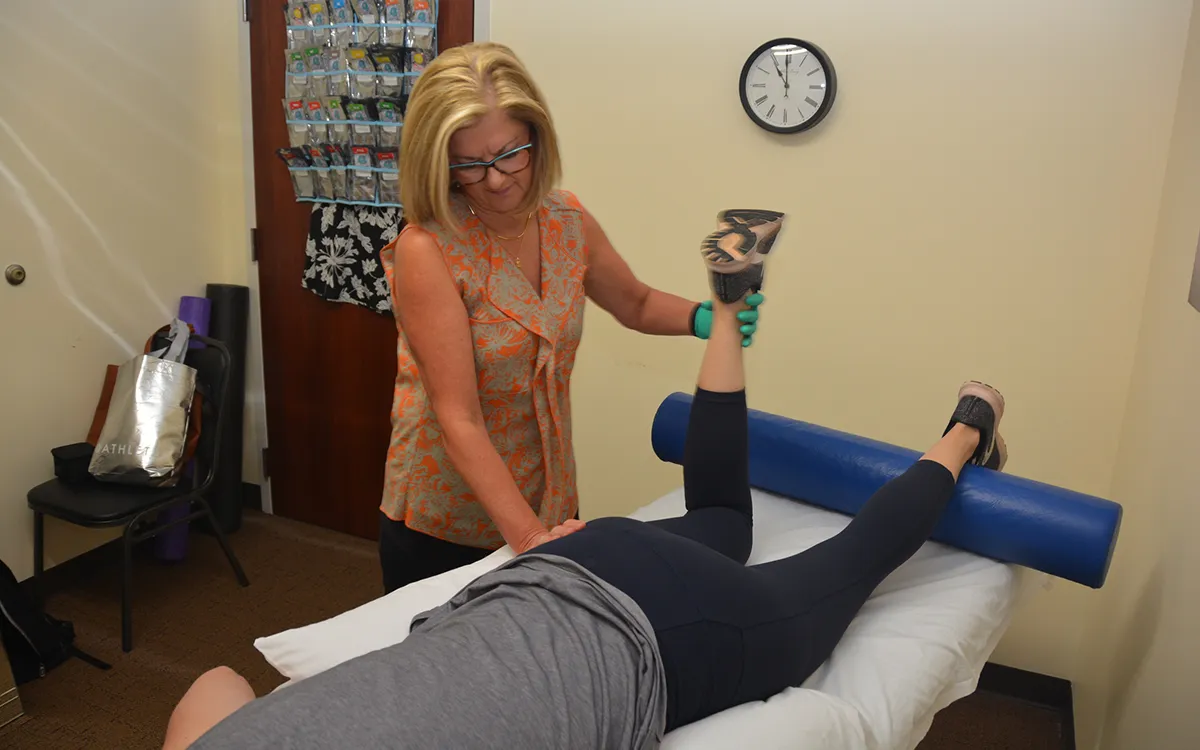
If you have ever wondered whether manual therapy is worth adding to your care, or whether it is really just a fancier word for a massage, you are not alone. Plenty of patients walk in skeptical, especially after a home exercise program alone has not moved the needle. Manual therapy is skilled, hands-on treatment that a trained therapist uses to move your joints and soft tissue in ways your body cannot do on its own. When pain, injury, or stiffness locks up your movement, manual therapy breaks that pattern. A therapist's hands are not just applying pressure, they are reading your tissue, feeling where movement is stuck, and guiding your body back toward the range it is missing.
That is different from a relaxation massage, which is not built around a movement diagnosis, and it is different from a quick chiropractic adjustment, which typically delivers a single manipulation rather than an ongoing, assessment-driven plan. At Pin Point, manual therapy starts with a real physical assessment, not a routine pulled off a shelf. Dr. Ginger Morrissey, PT, DPT, FAAOMPT, CMTPT, holds an AAOMPT Fellowship, awarded specifically for advanced manual therapy skill. That means the hands-on work you receive here is guided by a detailed understanding of how your joints, muscles, and nervous system are actually behaving that day, not a technique applied the same way to every patient who walks through the door.
What sets manual therapy apart is the skill and feel of the therapist. It is not a stretch or a massage you could do at home, and it is not a one-size-fits-all adjustment. It is a precise intervention that requires training, experience, and sensitivity to what your body is telling the therapist's hands in real time, which is exactly why it is built into a broader plan of care rather than delivered as a stand-alone service. North Carolina's direct access law also means you can start treatment here without a physician referral, and manual therapy performed by a licensed PT is typically covered the same way the rest of your physical therapy visit is. Our team is happy to help you check your specific benefits before your first appointment.
Who it's for.
It is fair to ask whether hands-on treatment is worth adding to a plan that is mostly exercise. For some conditions, exercise alone gets the job done. But when tight joints, restricted muscles, or scar tissue are the real limiter, no amount of home exercise will fix what manual therapy is built to address.
Stiff joints that limit your range
Your shoulder will not reach overhead, your neck turns only partway, or your knee feels locked. Manual therapy mobilizes the joint capsule and frees up motion that exercise alone often cannot restore. Once the joint moves the way it should, strengthening it becomes far easier, and the gains tend to hold.
Tight muscles that resist stretching
You stretch every day and still feel just as tight. Some tissue will not respond to a stretch alone, no matter how consistent you are. Skilled hands can release that tension in a way a static stretch cannot, so the work you put into strengthening finally has something to build on.
Recovery from surgery or injury
After surgery or a serious injury, scar tissue and protective muscle guarding can lock the area down. Manual therapy safely mobilizes the tissue and signals to your nervous system that it is safe to move again. For many patients, that shift is what gets a stalled recovery moving.
What to expect in a session.
A session here is not a quick, one-size-fits-all adjustment. Every visit begins with assessment, so the hands-on work that follows is matched to what your body needs that day.
Assessment and discussion
Your therapist asks what is limiting you, tests your movement, and feels the tissue directly. You will understand exactly what is stuck and why before any hands-on work begins. This is what an AAOMPT-level assessment looks like in practice: specific, and based on what your body is showing that day, not a generic checklist.
Hands-on mobilization
Using techniques matched to your assessment, the therapist moves the joint or muscle in ways that release restriction. It should feel firm but not painful, and communication keeps you in control throughout. Pressure and technique are adjusted in real time based on how your tissue responds, which is the difference between skilled manual therapy and a generic hands-on routine.
Active work and follow-up
With movement freed up, you move through patterns that reinforce what was just gained. Simple exercises and home care keep the improvement going long after you leave, so the session builds toward lasting change instead of temporary relief.
Wear comfortable clothing that allows movement and gives your therapist access to the area being treated. Mild soreness in the day or two afterward is normal as your body adapts to new movement, though you are always welcome to call the clinic if anything feels off. Manual therapy is billed as part of your physical therapy visit. We're out of network with all commercial insurance plans, so every visit is billed directly to you at a flat rate we confirm before you book.
Ginger is an excellent physical therapist. Her knowledge goes beyond a regular physical therapist and she also incorporates manual therapy into her treatments. She is very thorough and will get to the root of your issue.
Where to go next.
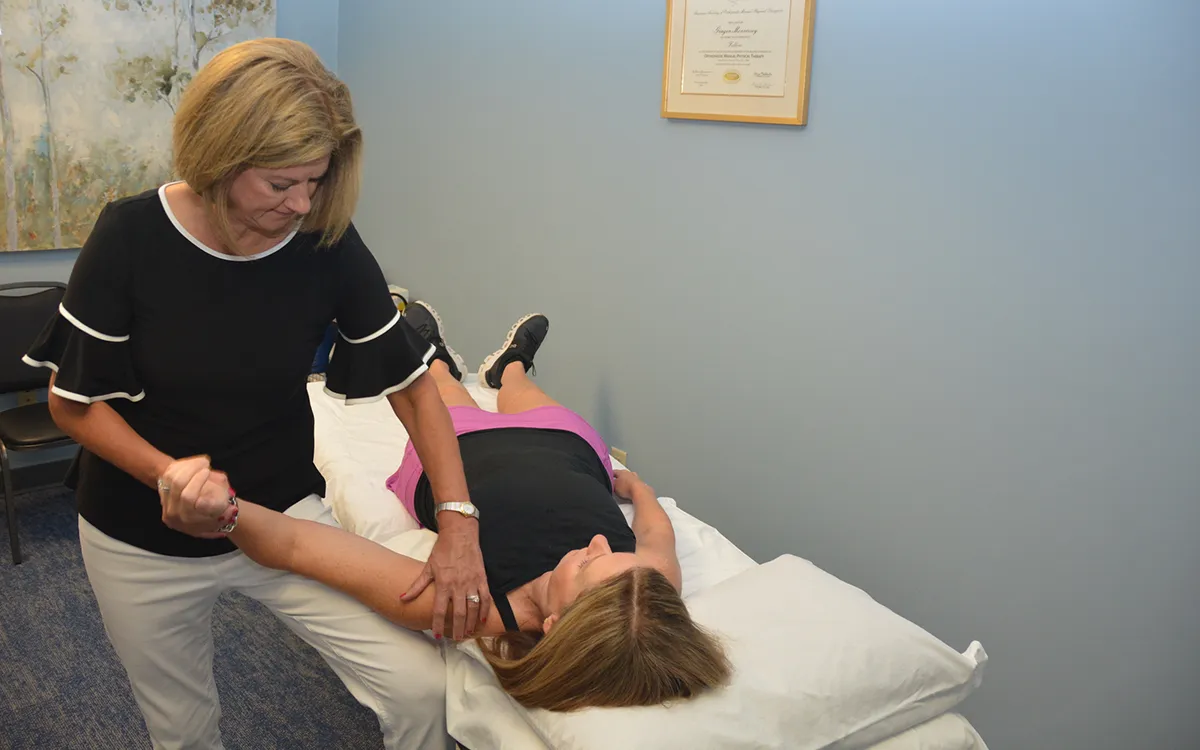
Physical Therapy
One-on-one care built around a real assessment, with manual therapy woven in wherever it will help you move better.
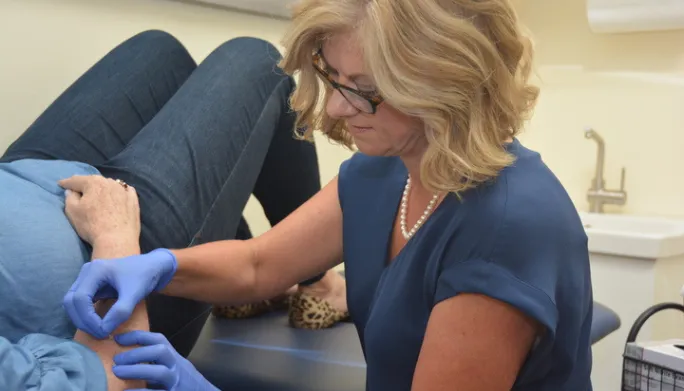
Dry Needling
Targeted trigger point release that pairs well with manual therapy to calm tension and break pain cycles.
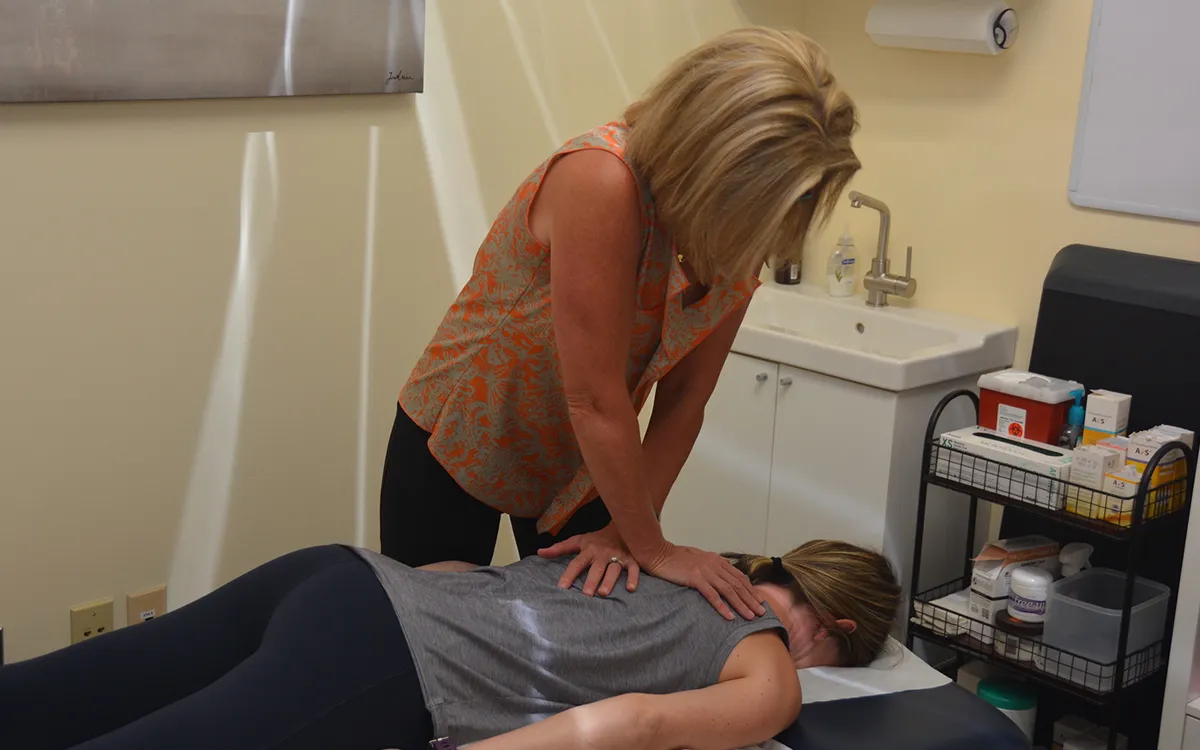
Back Pain & Sciatica
The most common reason people find us. A hands-on assessment guides a plan that treats the cause, not just the symptom.