Sports Rehabilitation in Charlotte
You've probably already tried to play through it, rest it, or tape it up. Sports rehab here is built around what your sport actually demands, with a return-to-play timeline based on what your body can do, not a date on the calendar. No referral needed in NC.
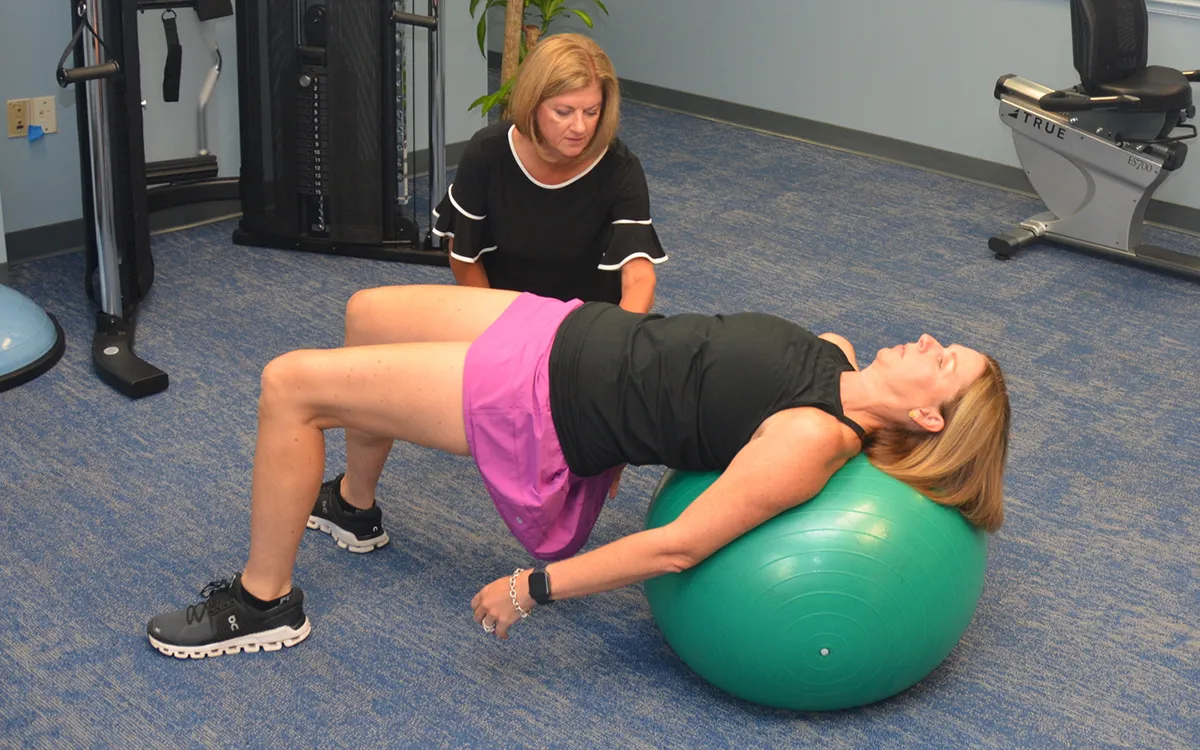
What is sports rehab, really?
Most athletes we see have already tried to push through it. You modified your grip, taped an ankle, sat out a match or two, and figured it would settle down on its own. Or someone told you to rest it, ice it, and come back when it feels better, without ever asking what "better" needs to look like for a competitive tennis player, a weekend pickleball regular, or a runner training toward a race. That advice isn't wrong, it's just incomplete. Sports rehabilitation at Pin Point Physical Therapy is recovery built around the specific demands of your sport, not a generic exercise sheet. We look at what your body actually has to do in competition: the rotation in a serve, the lateral cutting on a court, the repetitive load of mile after mile on pavement, and we build your program backward from there.
This distinction matters because feeling better and being ready to compete are not the same thing. You can be pain-free in daily life and still get outmatched by the speed, rotation, or load your sport demands, which is exactly where a second injury tends to happen. Dr. Ginger Morrissey, PT, DPT, FAAOMPT, CMTPT, founded Pin Point Physical Therapy in 2018 and is a competitive tennis player herself, active in Charlotte's tennis and pickleball community and a volunteer with Wheel Serve wheelchair tennis. That firsthand experience with racquet sports and running shapes how return-to-play timelines get built here: realistic, tied to what your body can actually demonstrate, and aimed at getting you back at the intensity your sport requires, not a watered-down version of it.
Who it's for.
Sports rehab is for athletes who are done modifying around an injury and ready for a plan built to get them back to their sport, not just through the day pain-free.
Recovering from a sport-related injury
A ligament, a muscle, or a joint gave out mid-match or mid-run. You may have already tried playing through it or resting it on your own, hoping it would resolve. Sports rehab rebuilds the specific strength and control your sport demands so you can compete again without bracing for it to happen twice.
Returning to competitive play or training
You've been medically cleared, but cleared and ready are not the same thing. Sports rehab closes that gap with sport-specific power, agility, and confidence work, whether your sport is tennis, pickleball, running, or something else entirely.
Building resilience to prevent future injury
You want to keep playing at a high level without the same injury creeping back every season. Sports rehab identifies the weak links and movement patterns behind it and corrects them before they cost you court time or a race.
What to expect in a session.
Sports rehab sessions move from foundational strength toward the sport-specific power and agility you need, with a return-to-play timeline based on what you can demonstrate, not a fixed number of weeks.
Assessment and sport-specific planning
We start with your sport, your position or event, and what your body needs to do: serve, sprint, cut, pivot, log miles. We assess your current strength and movement against those demands, then map a timeline so you know what progress looks like at each stage, not just an estimated end date.
Progressive strength and sport movement work
Early sessions rebuild basic strength and mobility. As that improves, the work shifts toward drills that mirror your sport: court movement, swinging mechanics, running gait, agility patterns. You advance when your body has earned it, not on a fixed schedule, which protects against rushing back too soon.
Sport-specific testing and return clearance
Before you return to competition, we test strength, agility, and the movement patterns specific to your sport rather than a generic checklist. You leave with real evidence your body can handle full intensity, plus a plan to maintain it once you're back on the court, course, or field.
Bring a description of your sport or position, and a video clip if you have one. The more we know about what your body needs to do, the more precisely we can build your return-to-play timeline. A note about your competition or race schedule helps too, so we can plan the pace of your program around it.
Fantastic experience. I had once thought I knew my own body to overcome injury or physical challenge, I had no idea the value of PT until I scheduled time with Pin Point PT. As an avid tennis and Pickleball player, Ginger was able to give me the tools and knowledge I needed to address my issues and feel better about maintenance and proper PT techniques I can employ year round.
Where to go next.
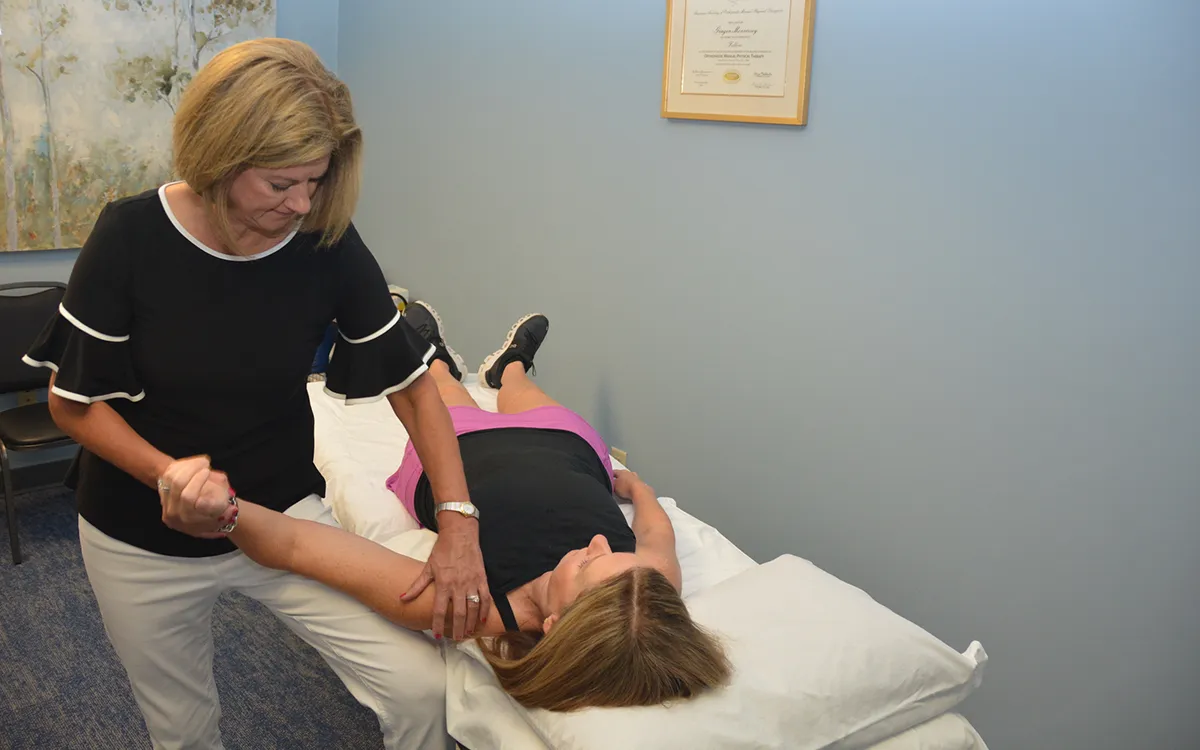
Physical Therapy
The foundation of any return-to-sport plan. Build the baseline strength and movement quality that sport-specific work is layered onto.
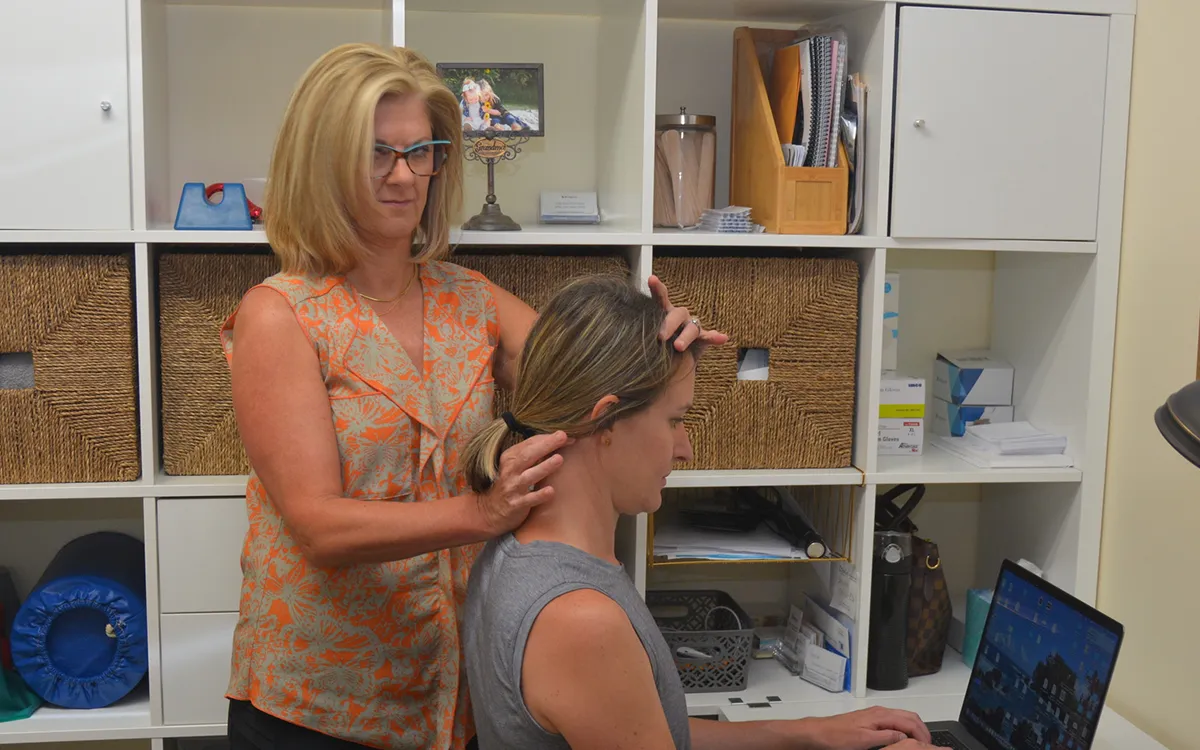
Injury Prevention
Address the movement patterns and weak links behind an injury before they sideline you again, especially once you're back to full training.
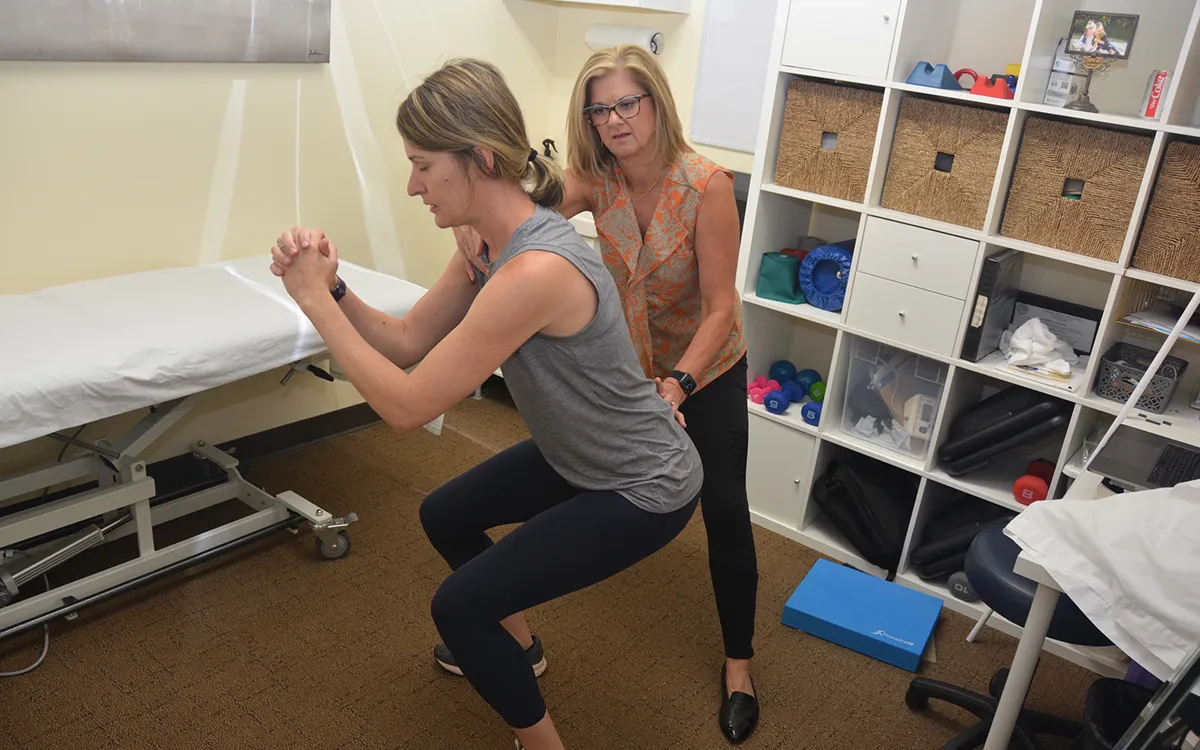
Hip & Knee Pain
Comprehensive rehab for hip and knee injuries, including ACL recovery, built toward full athletic performance, not just pain-free walking.