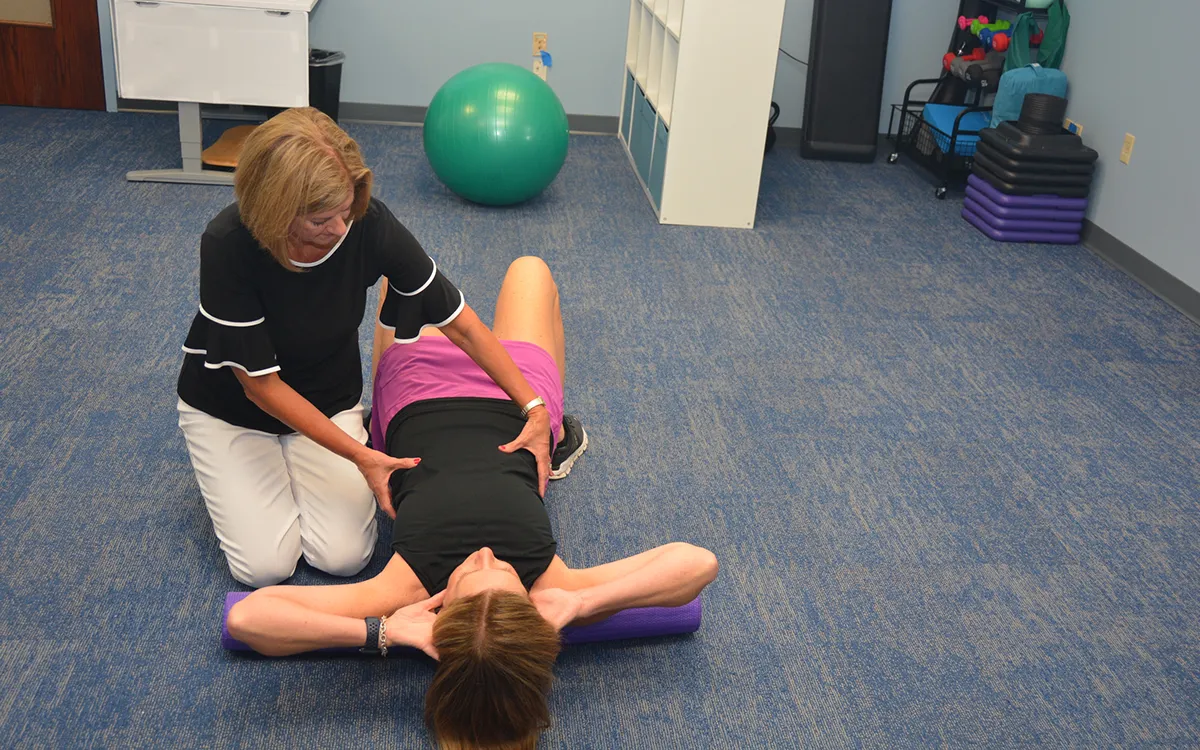
Pelvic organ prolapse is far more common than most people realize, and far more treatable than most people are told. Whether it shows up as heaviness, a bulge you can feel, or pressure that builds as the day goes on, a private pelvic floor evaluation gets specific about what's actually happening, and what to do about it.
Pelvic organ prolapse happens when the muscles and connective tissue that support the bladder, uterus, or rectum lose enough strength or integrity that one of those organs shifts downward toward, or into, the vaginal canal. It's a structural, mechanical problem, not a sign that something is broken beyond repair or a normal part of aging you have to accept. Identifying exactly which support structures are involved, and how the rest of your body has been compensating around it, is what separates a plan that actually works from generic core exercises.
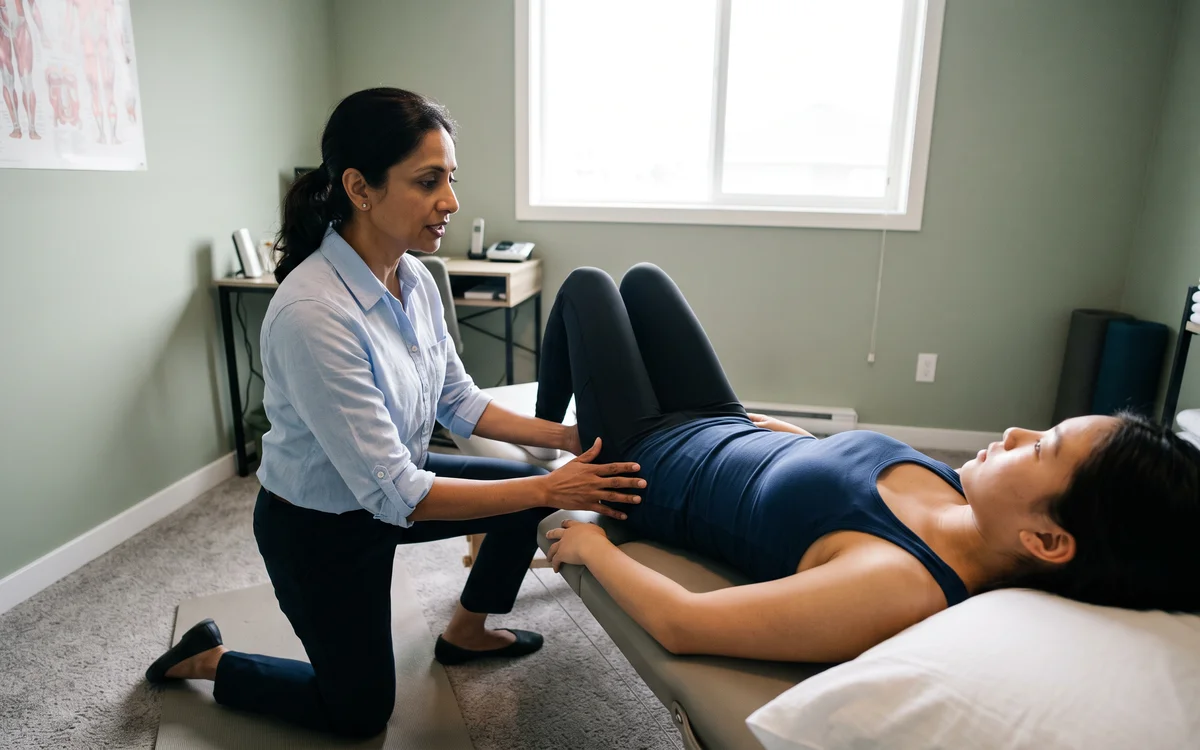
Carrying a pregnancy and delivering vaginally both place significant load on the pelvic floor's connective tissue and muscles. Stretching and, in some cases, nerve strain during delivery can leave that support system weaker than it was, and the effects can show up right away or gradually over years. This is a common and treatable outcome of childbirth, not a life sentence.
Estrogen helps maintain the strength and elasticity of pelvic connective tissue, so the drop in estrogen around menopause can unmask or worsen prolapse symptoms that were mild or unnoticed before. This is why prolapse often becomes more noticeable in the years surrounding menopause, even without a new injury to explain it.
Repeated straining during bowel movements drives sustained downward pressure through the pelvic floor, gradually stretching the very tissue that's supposed to hold your organs in place. Longstanding constipation is one of the most overlooked contributors to prolapse, and addressing it is often a necessary part of treatment, not an afterthought.
Any activity that repeatedly spikes pressure inside the abdomen, whether it's heavy lifting at work, high-impact exercise, or a chronic cough, adds cumulative strain to the pelvic floor's support structures. The occasional lift isn't the issue. It's the repetition over months and years that gradually wears down the system's capacity.
Removing or altering the structures that normally help suspend the pelvic organs can shift how weight and pressure are distributed through the pelvis, sometimes leading to prolapse of the remaining structures years after surgery. This is a recognized, treatable pattern, and rehabilitation can meaningfully improve support and comfort afterward.
Some people are simply born with more elastic connective tissue throughout the body, which can make the pelvic floor more prone to prolapse even without an obvious cause like childbirth or heavy lifting. If this describes you, treatment focuses on building as much muscular support as possible to compensate for that underlying tissue quality.
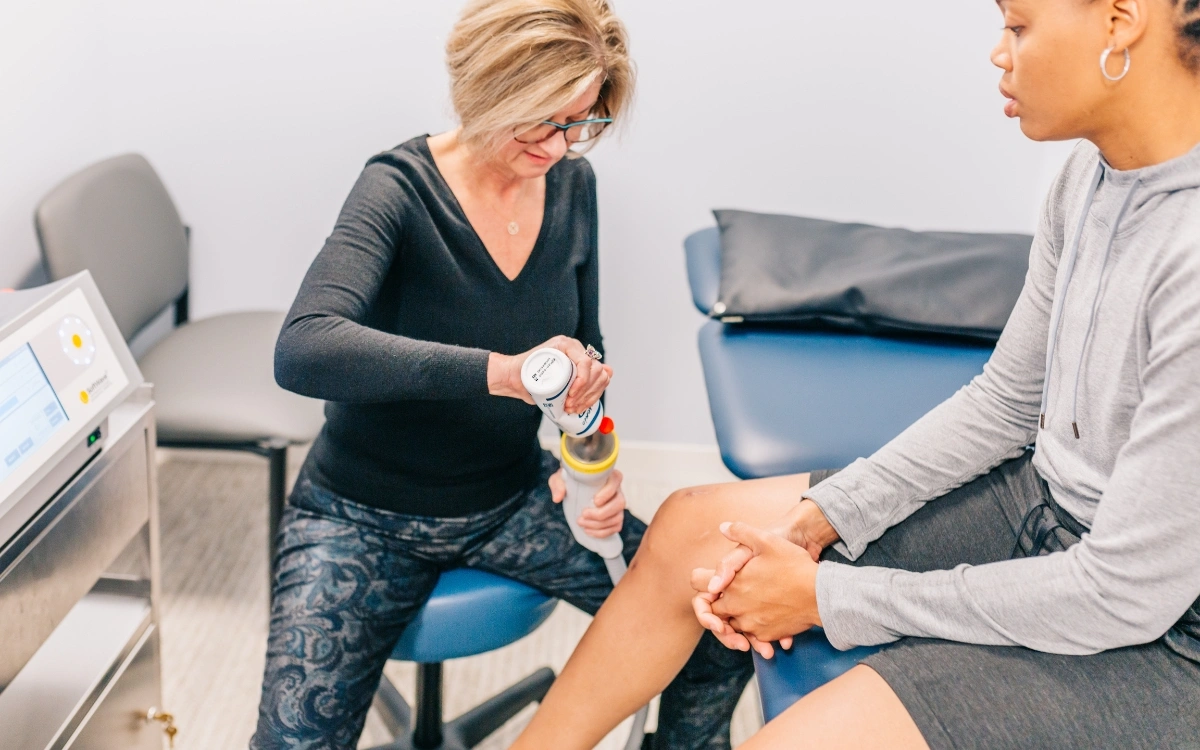
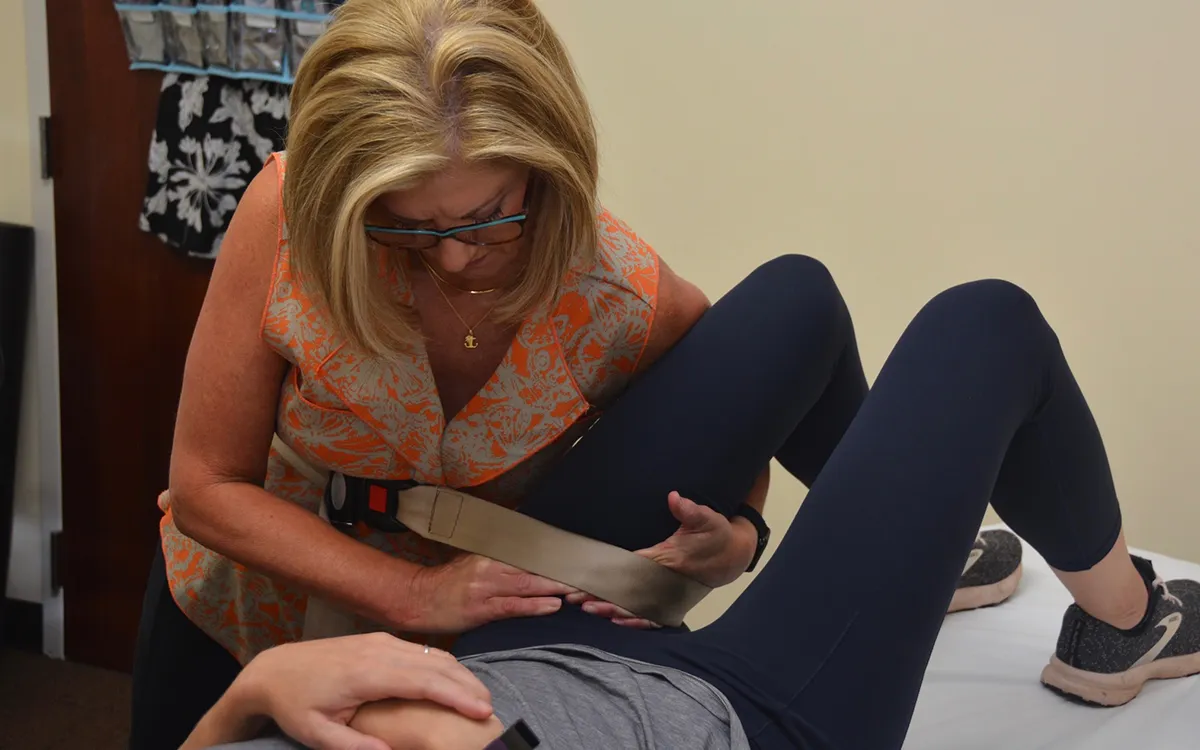
Pelvic floor physical therapy is a recognized first-line treatment for prolapse, not something to try only after everything else has failed. Dr. Ginger Morrissey, PT, DPT, FAAOMPT, CMTPT, is trained through Herman & Wallace in pelvic health, and works alongside Dr. Carey Million, PT, DPT, pelvic floor trained through Herman & Wallace and the Institute of Clinical Excellence. Every evaluation starts with a conversation about your symptoms and goals before any hands-on assessment begins.
From there, your plan is built around what your body actually needs rather than a one-size-fits-all Kegel handout. Biofeedback helps you feel and control muscles that have become hard to sense on their own, manual therapy addresses tension in the surrounding hips and low back that can affect pelvic support, and a progressive strengthening program builds the specific coordination this system needs. Lifestyle factors like lifting mechanics, bowel habits, and impact activity are addressed alongside the hands-on work, because a stronger pelvic floor still needs smarter daily habits behind it.
This care works alongside your OB/GYN or urogynecologist rather than replacing that relationship, and for many women it meaningfully reduces symptoms and delays or avoids the need for surgery altogether. Because North Carolina allows direct access, you can start this evaluation without waiting on a referral from another provider.
Your first visit is a private, unhurried conversation about your symptoms and history, followed by a hands-on assessment of pelvic floor strength, tension, and coordination. You leave with a clear picture of what's involved and a realistic plan.
Manual therapy and biofeedback help release tension and rebuild the awareness and control this system needs, paced entirely to your comfort and always explained before it happens.
As support improves, we build strength and coordination for the lifting, standing, and activity your life actually requires, so relief holds up well beyond your last visit.
Ginger was a life saver for me. I was in a lot of pain, and I just moved to the area recently and loved my physical therapist back home and wasn't sure if anyone would live up to those expectations. But she definitely did and was so helpful and kind. Thank you!

Prolapse and pelvic pain often share the same weakened or guarded support system. We evaluate both together.

Prolapse frequently comes with leakage, urgency, or incomplete emptying, since the same muscles are behind all three.

Pelvic floor-trained therapists who treat the pain and tension endometriosis leaves behind.