(704) 612-6797 · 6135 Park South Drive, Ste 200, Charlotte, NC 28210
Pin Point Physical Therapy

Urinary Incontinence Treatment in Charlotte

Leaking with a cough, a sneeze, or a short run to the door isn't something you have to plan your life around. Urinary incontinence has a physical cause, and a private pelvic floor evaluation can identify exactly what's driving it, for women and men alike, and build a plan to fix it.

01What Causes It

What causes urinary incontinence?

Urinary incontinence isn't one condition with one cause. Leakage with a cough or a jump on the trampoline is a different mechanical problem than a sudden, hard-to-control urge that sends you running for the bathroom, and the right treatment depends on telling those patterns apart. A careful evaluation of pelvic floor strength, coordination, and bladder habits is what identifies which type you're dealing with, instead of guessing with generic Kegels.
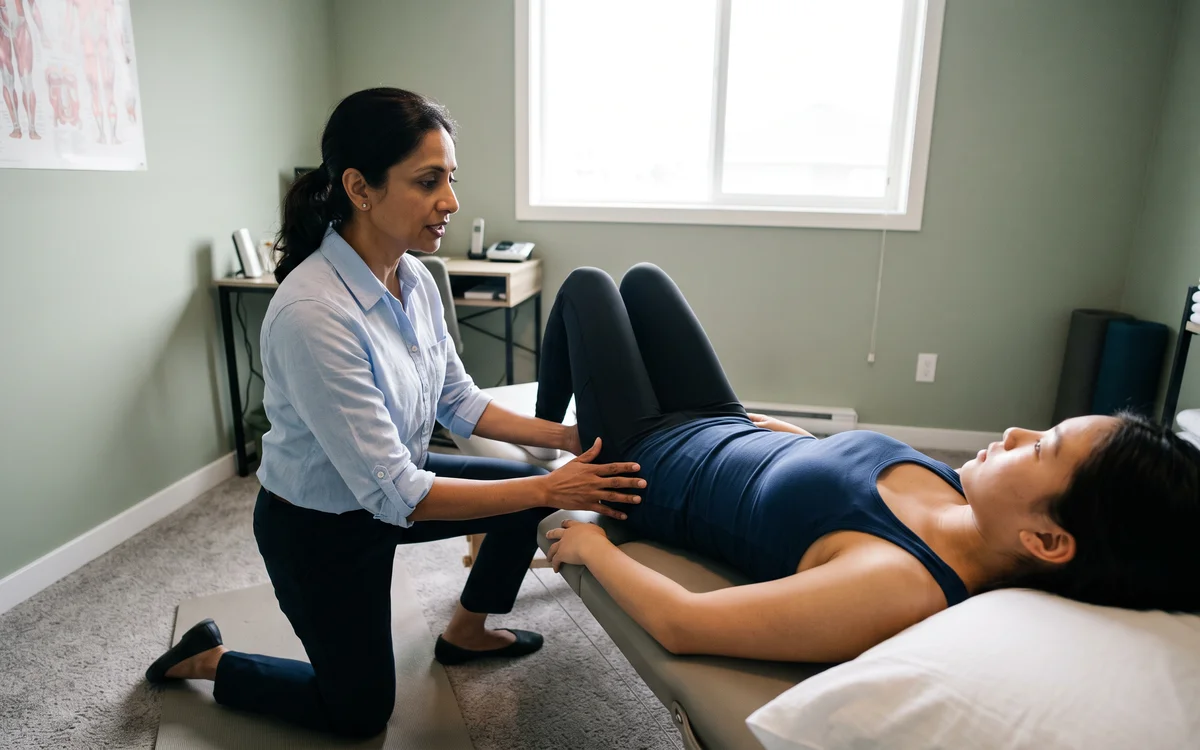
Physical therapist guiding a patient through a pelvic floor strengthening exercise

Leakage that happens with a cough, a sneeze, a laugh, or exercise is usually stress incontinence, caused by pelvic floor muscles that can't generate enough support fast enough when pressure spikes suddenly. It's a mechanical, structural issue, and one that targeted strengthening and coordination work addresses directly.

A sudden, strong urge to urinate that's hard to postpone, sometimes with leakage before you make it to the bathroom, points to an overactive bladder muscle rather than a weak pelvic floor. This type often responds better to bladder retraining and calming overactive pelvic floor tension than to strengthening exercises alone, which is why an accurate diagnosis matters.

Carrying a pregnancy and delivering a baby both place real demand on the pelvic floor and the nerves that control it. Leakage that starts during pregnancy or shows up after delivery is extremely common, but it isn't something to simply accept as a permanent side effect of having children.

Estrogen supports the strength and elasticity of the tissue around the bladder and urethra, so the hormonal shifts around menopause can bring on or worsen leakage that wasn't a problem before. This is a common and treatable pattern, not something that has to be permanent.

Surgery or radiation for prostate conditions can affect the muscles and nerves that control urination, and leakage afterward is a well-recognized, treatable side effect rather than something men have to live with permanently. Pelvic floor rehabilitation is a standard part of recovery after these procedures.

Years of heavy lifting, high-impact running or jumping, or chronic straining from constipation gradually add load to the pelvic floor's support system. Athletes and active people are not exempt from incontinence, and addressing the underlying strength and coordination deficit usually resolves it without giving up the activity you love.
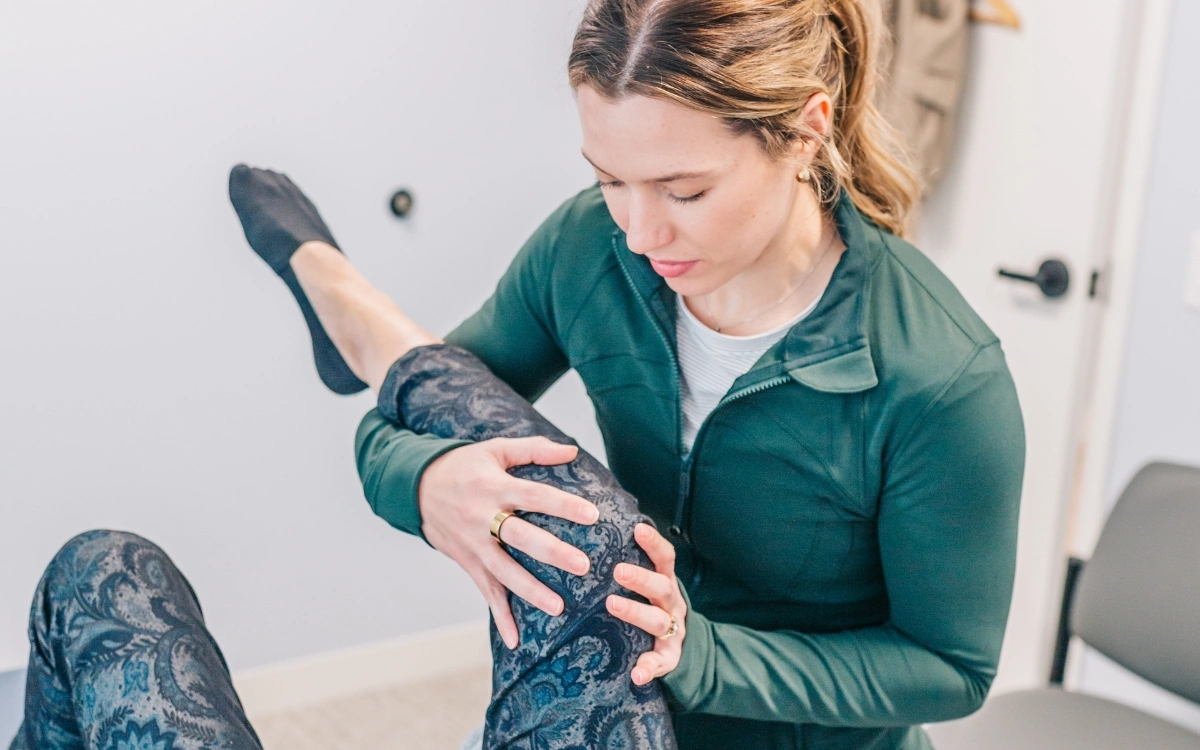
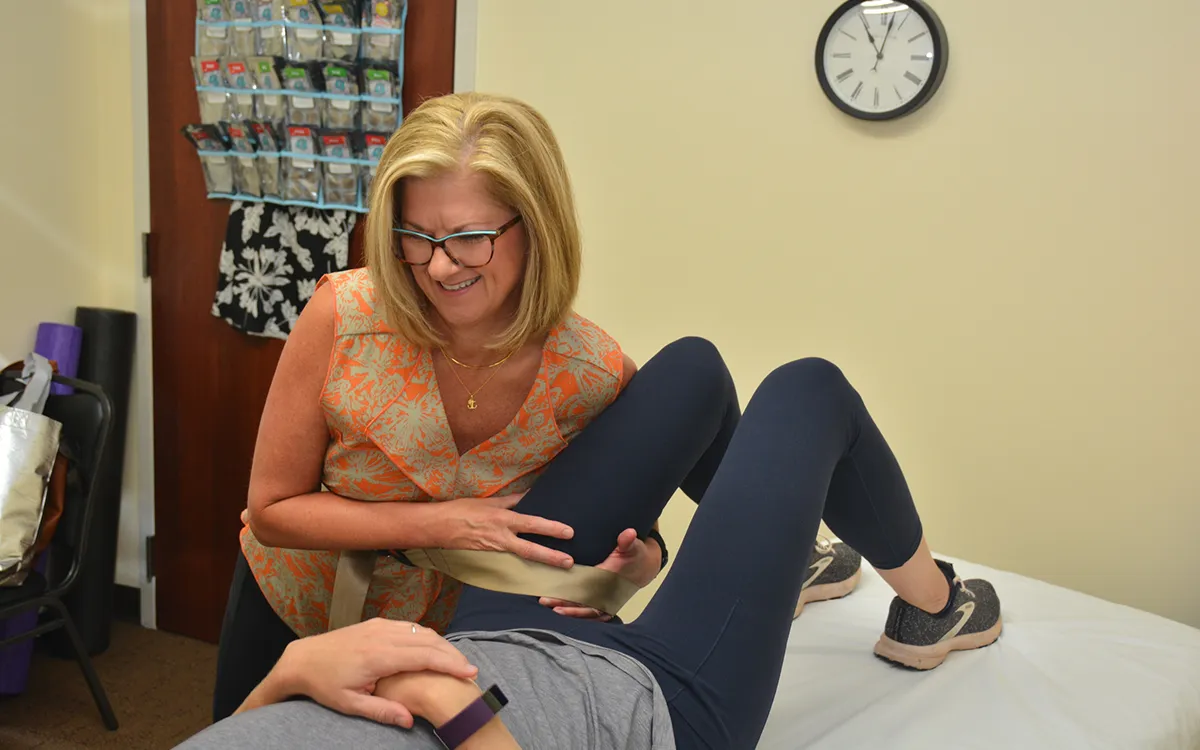
Dr. Carey Million guiding a patient through a hip mobility exercise
02How PT Helps

How physical therapy in Charlotte helps.

Pelvic floor physical therapy is a recognized first-line treatment for urinary incontinence, for women and men alike, not something to try only after medication or surgery. Dr. Ginger Morrissey, PT, DPT, FAAOMPT, CMTPT, is trained through Herman & Wallace in pelvic health and treats both men and women, and works alongside Dr. Carey Million, PT, DPT, pelvic floor trained through Herman & Wallace and the Institute of Clinical Excellence.

Your evaluation identifies whether weakness, tension, or a combination of both is driving your symptoms, since stress and urge incontinence are treated differently. Biofeedback helps you feel and control muscles that are hard to sense on your own, manual therapy addresses surrounding tension in the hips and low back, and a progressive program builds either strength or relaxation, depending on what your body actually needs. Bladder training and habit strategies round out the plan so the changes hold up in daily life.

Because North Carolina allows direct access, you can start this evaluation without waiting on a referral from another provider.

03What To Expect

What to expect from your recovery.

01

Evaluation

Your first visit is a private conversation about your symptoms and history, followed by a hands-on assessment of pelvic floor strength, tension, and coordination, so we know exactly which type of incontinence we're treating.

02

Hands-on plan

Biofeedback and manual therapy build awareness and address tension or weakness directly, paced entirely to your comfort and explained before it happens.

03

Progressive retraining

As control improves, we layer in bladder training and functional strengthening so the changes hold up during real life, not just in a session.

In Their Words
My experience with Pinpoint has been excellent. My provider has been very thorough and has tailored treatment to my specific issues and needs.
Sharyn H. · Google review
Related Conditions

Pelvic health rarely stands alone.

Request an Appointment

Ready when you are.

HoursMon–Thu 8am–6pm · Fri 8am–1pm
Walk-insCall ahead
Book your private pelvic health evaluation. Same-week appointments available.
Step 1 of 5
First things first. What's your name?
We'll need a name to book you in.
Best number to reach you?
A phone number lets us confirm same-day.
And your email?
We'll send your confirmation here.
What questions do you have about your pain or injury?
A few words is all we need.
Look right? Send it.
✓
Request received.

We'll call within business hours to lock in your time.

Talk to a Specialist