Prenatal and Postpartum Care in Charlotte
Pregnancy and postpartum recovery ask a lot of your body, whether you're preparing to deliver or still adjusting months or years later. A specialized evaluation meets you exactly where you are, not where a generic six-week checklist assumes you should already be, and no referral is required to get started.
What contributes to prenatal & postpartum pain and dysfunction?
Pregnancy and childbirth change a body from the inside out, and that change doesn't stop the moment you deliver. Hormones shift, posture adapts to a growing uterus, and the abdominal and pelvic floor muscles absorb months of new load, then months more of recovery. None of that is something to just push through or wait out on your own. Every stage, whether you're twenty weeks along or two years postpartum, deserves an evaluation that looks at what's actually happening in your body instead of a generic timeline for when symptoms are supposed to resolve.
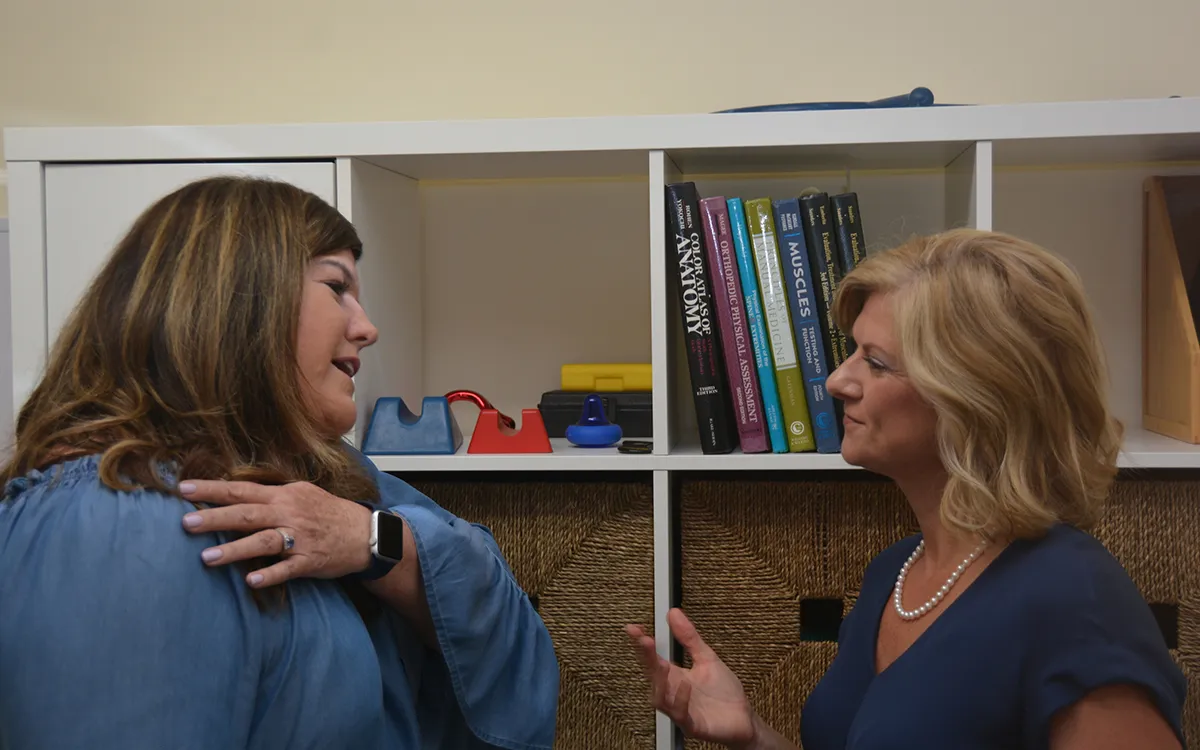
During pregnancy, the hormone relaxin loosens ligaments throughout the body to help the pelvis prepare for delivery. That same effect reduces stability in every joint it touches, including the low back and pelvis, which means the surrounding muscles have to work harder to keep things supported. This is a completely normal part of pregnancy, not a sign anything is wrong, and it's exactly why targeted strengthening during this window makes such a difference.
As the uterus grows, your center of gravity shifts forward, and most people compensate by arching the low back more than usual. That shift adds load to the lumbar spine and pelvic floor for months at a time, which is a major reason low back and pelvic girdle pain show up so often in the second and third trimesters. Working on posture and movement mechanics during pregnancy, not just after, can meaningfully ease that strain while it's happening.
The connective tissue running between the two sides of your abdominal muscles stretches during pregnancy to make room for a growing uterus, and some separation is a normal, expected part of that process. For many people, that gap doesn't fully close on its own after delivery, which can leave the core feeling weaker and contribute to ongoing back pain. A targeted rehabilitation approach, not just generic ab exercises, is what actually helps that gap close and function return.
Whether delivery happens vaginally or by cesarean, the pelvic floor carries real load throughout pregnancy and the birth process itself. That strain can leave the muscles weak, overly tense, or simply uncoordinated, and it can show up as leakage, heaviness, or pain well past the six-week mark most people are told to expect recovery by. These are common experiences, and they respond well to specific, guided pelvic floor rehabilitation, not just time.
A cesarean incision and perineal tearing from vaginal delivery both leave scar tissue behind as they heal, and that tissue can restrict mobility or change how pressure moves through the abdomen and pelvis. Left alone, that restriction sometimes contributes to ongoing tightness or discomfort long after the wound has closed on the surface. Gentle, hands-on scar mobilization is one of the most overlooked pieces of a full recovery, and it's worth addressing directly.
The pressure to bounce back quickly can push people into lifting, running, or exercising again before the core and pelvic floor are actually ready to handle that load. That mismatch, between what your body is asked to do and what it's currently capable of, is a common source of pain, leakage, or setbacks during the return to activity. Yes, exercise is safe during pregnancy and postpartum recovery, with the right guidance and a progression built around your body, not a calendar.
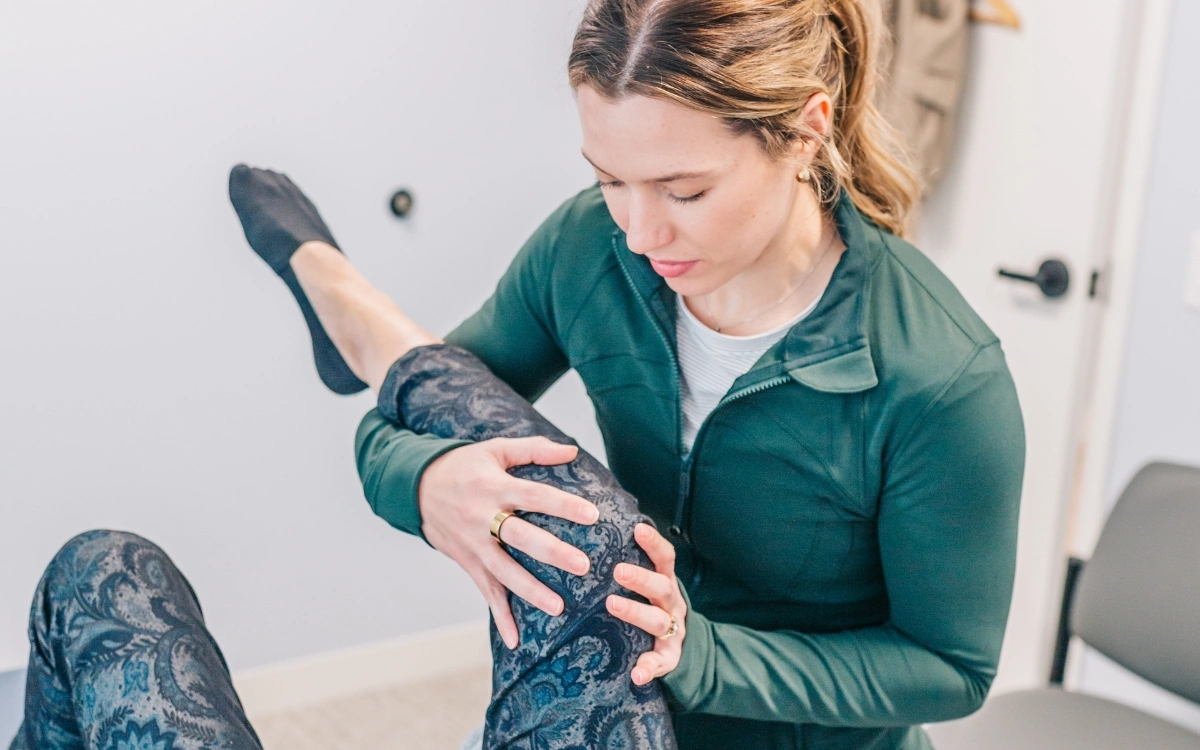
How physical therapy in Charlotte helps.
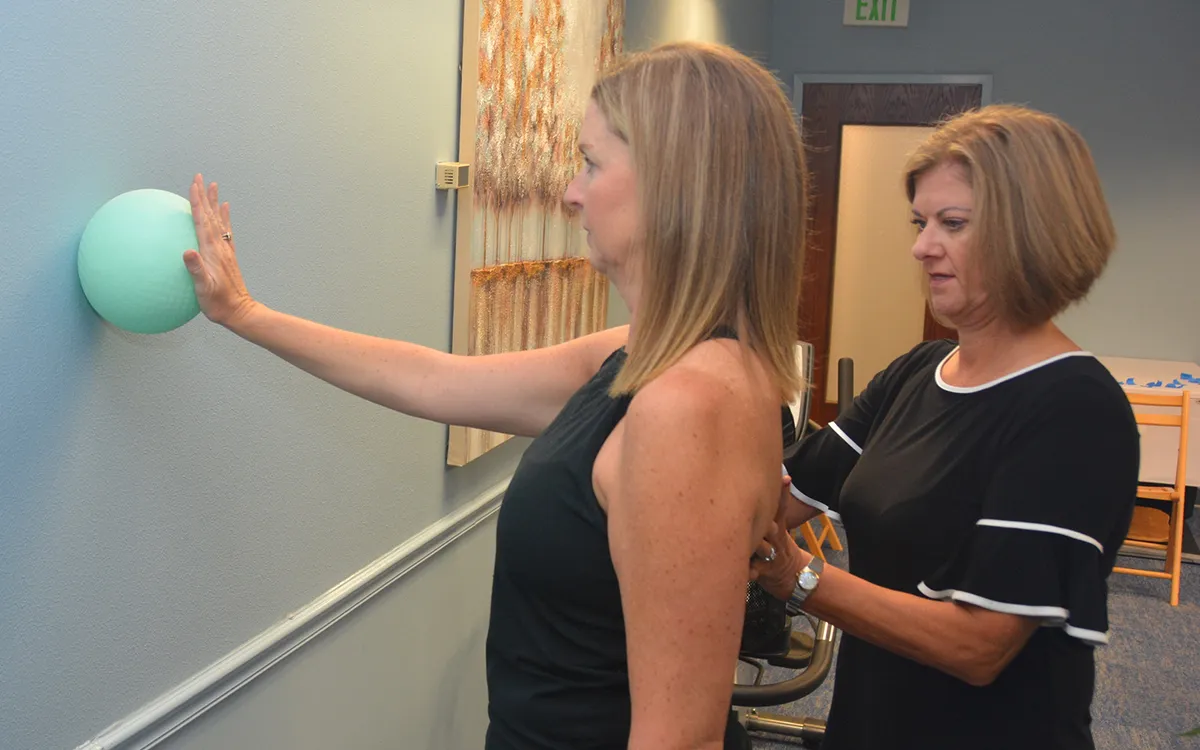
Prenatal and postpartum physical therapy at Pin Point meets you exactly where you are, whether that's twenty weeks pregnant and dealing with pelvic girdle pain or two years postpartum and only now getting around to addressing it. There is no expiration date on recovery, and you don't need a referral from your OB to start. North Carolina allows direct access to physical therapy, so you can schedule an evaluation as soon as you're ready. Dr. Ginger Morrissey and Dr. Carey Million are both trained through Herman & Wallace in pelvic health, and Carey focuses specifically on the needs of pregnant and postpartum patients. Your evaluation looks at pelvic floor function, abdominal separation, posture, and movement patterns together, since they rarely operate in isolation. Treatment might include manual therapy for pain and scar mobility, pelvic floor retraining, and a progressive core program built around whatever your body is ready for at each stage. As function improves, we guide a safe, staged return to lifting, exercise, or running, so getting back to what you love doesn't have to come with pain attached. Every plan is one on one and built around your body's actual timeline, not a generic six-week clearance.
What to expect from your recovery.
Evaluation
Your first visit includes a thorough, one-on-one assessment of pelvic floor function, abdominal separation, posture, and movement, whatever stage of pregnancy or postpartum recovery you're in. You leave with a clear, honest plan built around your body's actual timeline, not a generic checklist.
Hands-on plan
Manual therapy addresses pain, scar mobility, and pelvic floor tension or weakness, while gentle, targeted exercise begins rebuilding core and pelvic floor coordination at a pace your body can actually handle right now.
Progressive strengthening
As function improves, we build toward a safe, staged return to lifting, exercise, or running, so the progress you've made holds up under the real, everyday demands of caring for yourself and your family.
Ginger is amazing! Can't say enough good things about her expertise, caring and thoroughness! I felt comfortable from the moment I started therapy and Ginger gave me the tools I needed to continue my therapy after I graduated.
Recovery rarely stops at one system.
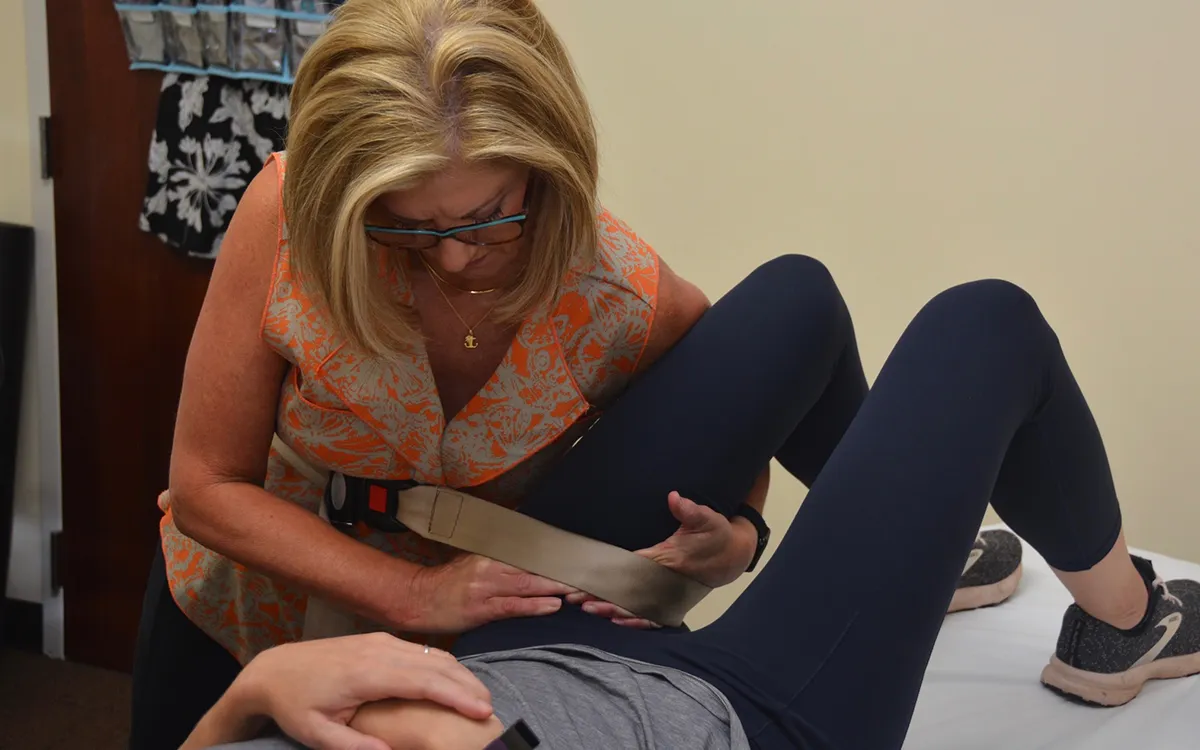
Pelvic Pain
Pregnancy and delivery are common contributors to pelvic pain, and we treat both together as part of one plan.
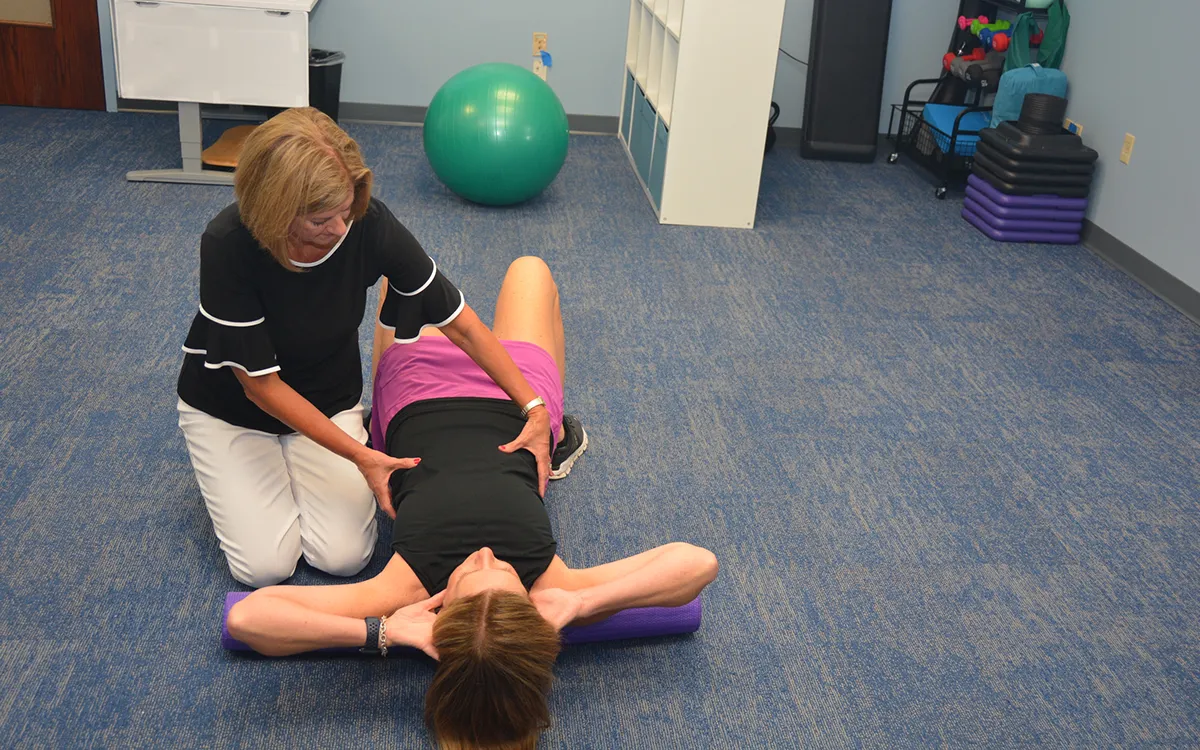
Bowel and Bladder Dysfunction
Postpartum leakage and urgency are common, and they're treatable. Not something you just have to accept.
Return to Exercise Postpartum
A staged, individualized path back to lifting, running, or whatever workout you're missing most.