Jaw Pain (TMJ) Relief in Charlotte
Jaw clicking, popping, or pain that flares up when you chew or talk is easy to write off as 'just stress' or a dental-only problem. Often it's both, and the muscular, joint-based side responds well to hands-on physical therapy. Once we know what's driving the movement, we build a plan to calm it down for good.
What causes jaw pain (TMJ)?
The temporomandibular joint hinges and slides hundreds of times a day: every time you talk, chew, or yawn. It doesn't take much of an imbalance in the muscles or joint alignment to turn into clicking, tightness, or pain that makes eating and talking uncomfortable. A common first question is whether this is really a dentist's problem or a physical therapist's problem. Often it's both. A dentist addresses the teeth, the bite, and any night guard, while physical therapy addresses the muscular and mechanical side of the joint, including the neck, which is frequently part of the picture. Finding the actual driver behind your symptoms is what makes treatment work instead of just managing the next flare-up.
Grinding or clenching, especially overnight or under stress, loads the jaw muscles and joint well beyond what normal chewing ever asks of them. Over time that extra load shows up as muscle fatigue, soreness, and irritation inside the joint itself. Many people don't realize they do it until a partner mentions the noise or a dentist points out the wear on their teeth.
The muscles that move the jaw can stay chronically tight from stress, posture, or compensating for an imbalance elsewhere in the joint. Tight jaw muscles limit how far and how smoothly the mouth opens, and they refer pain into the temple, cheek, and ear. Releasing that tension by hand is often one of the fastest ways to feel real relief.
A small disc inside the jaw joint normally glides smoothly as the mouth opens. When it shifts out of position, it can create the clicking, popping, or catching sensation many people describe, and in more advanced cases, real locking. Working on the muscles and mechanics surrounding the joint can restore smoother movement even when the disc itself has shifted.
The jaw doesn't work in isolation from the neck. Hours at a desk or looking down at a phone pull the head forward, which changes the resting position of the jaw and adds strain to the muscles holding it in place. Correcting posture through the neck and upper back is frequently part of a lasting fix, not just work on the jaw alone.
The jaw is one of the most common places the body holds stress, often without you noticing until the soreness sets in. Ongoing stress tends to increase clenching, grinding, and general muscle guarding around the jaw and neck. Treating the physical tension directly, alongside stress-aware habits, helps break that cycle.
Degenerative changes in the joint or an old injury, such as a blow to the jaw or a whiplash event, can leave lasting changes in how the joint moves and how much load it tolerates comfortably. These cases call for a careful, individualized evaluation, since the right approach depends heavily on the specific history behind the joint's current state.
How physical therapy in Charlotte helps.
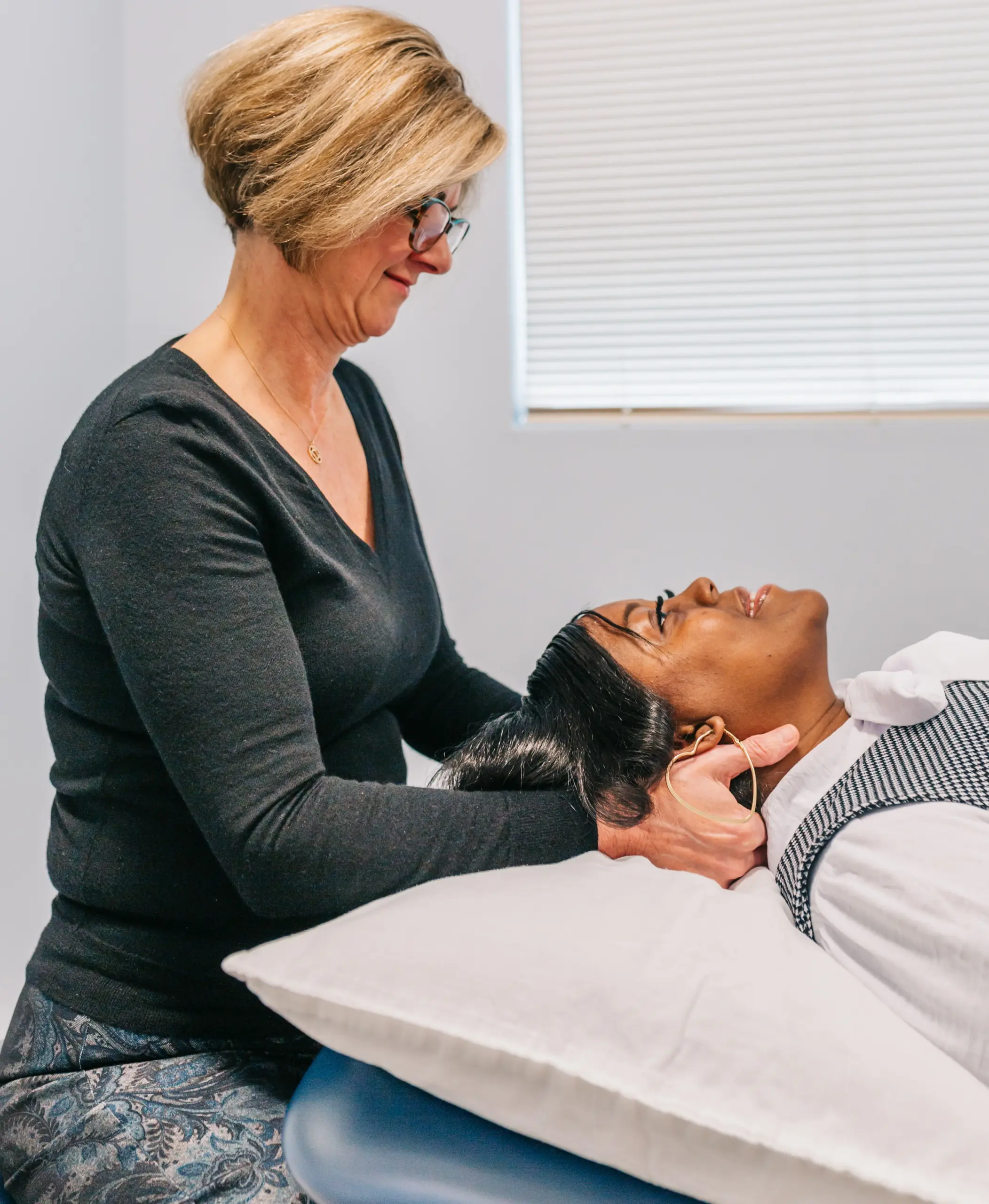
Jaw pain responds well to hands-on physical therapy, and most cases never need a night guard alone or a surgical consult to feel better. A skilled therapist starts by assessing the jaw itself alongside the neck and upper back, since the three work as one system, and forward head posture or neck tightness is frequently part of what's driving the jaw symptoms. Manual therapy releases the tight, overworked muscles around the jaw joint and restores smoother motion, while dry needling can calm particularly stubborn trigger points that refer pain into the temple or ear. This isn't a replacement for dental care. If your dentist has recommended a night guard or bite work, physical therapy addresses the muscular and joint side alongside it, not instead of it. Many people notice looser, more comfortable jaw movement within the first several visits, though the full timeline depends on how long the pattern has been building. As things settle, treatment shifts toward posture, jaw positioning habits, and a home program that keeps the relief from fading once you leave the office.
What to expect from your recovery.
Evaluation
Your first visit is a hands-on assessment of your jaw, neck, and posture. We identify what's actually driving the clicking, tension, or pain, and flag anything that calls for a dental or medical referral alongside your PT care.
Hands-on plan
Manual therapy, and dry needling where it's appropriate, releases the tight muscles around the joint and restores smoother, more comfortable movement. Every technique is explained as we go, and most people feel a noticeable difference well before the plan is finished.
Progressive strengthening
As pain settles, we shift toward posture, jaw habits, and a home program built to keep symptoms from creeping back once daily stress and old habits return.
Ginger is an excellent PT. She's a patient listener and provides excellent one-on-one services that are responsive to your needs and a step above your typical therapist.
Pain rarely travels alone.
Neck Pain
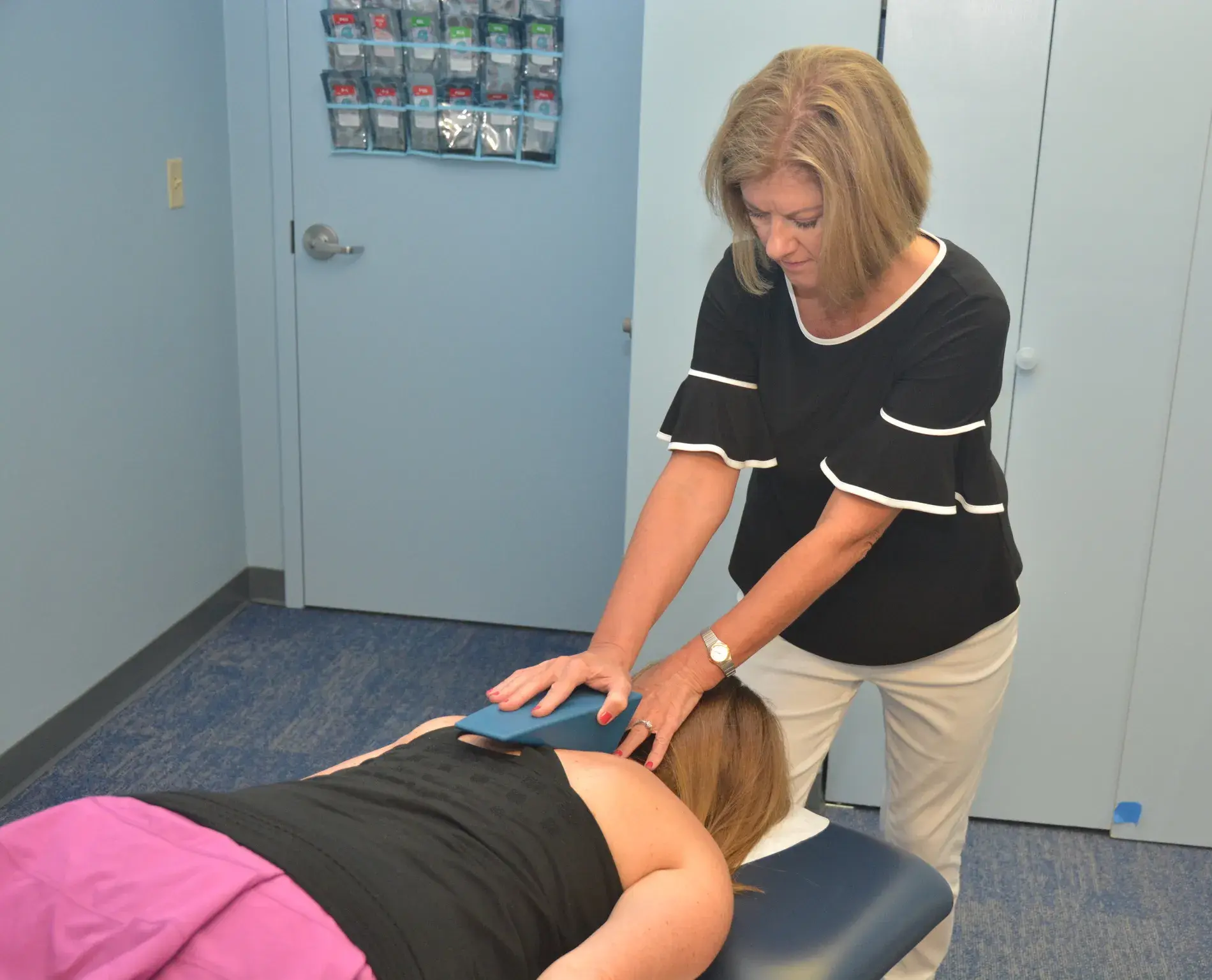
The jaw and neck share muscles, nerves, and posture patterns, so treating one without the other rarely holds long term.
Headaches
Jaw tension is a common, often overlooked driver of recurring headaches. Relief usually starts with the jaw and neck.
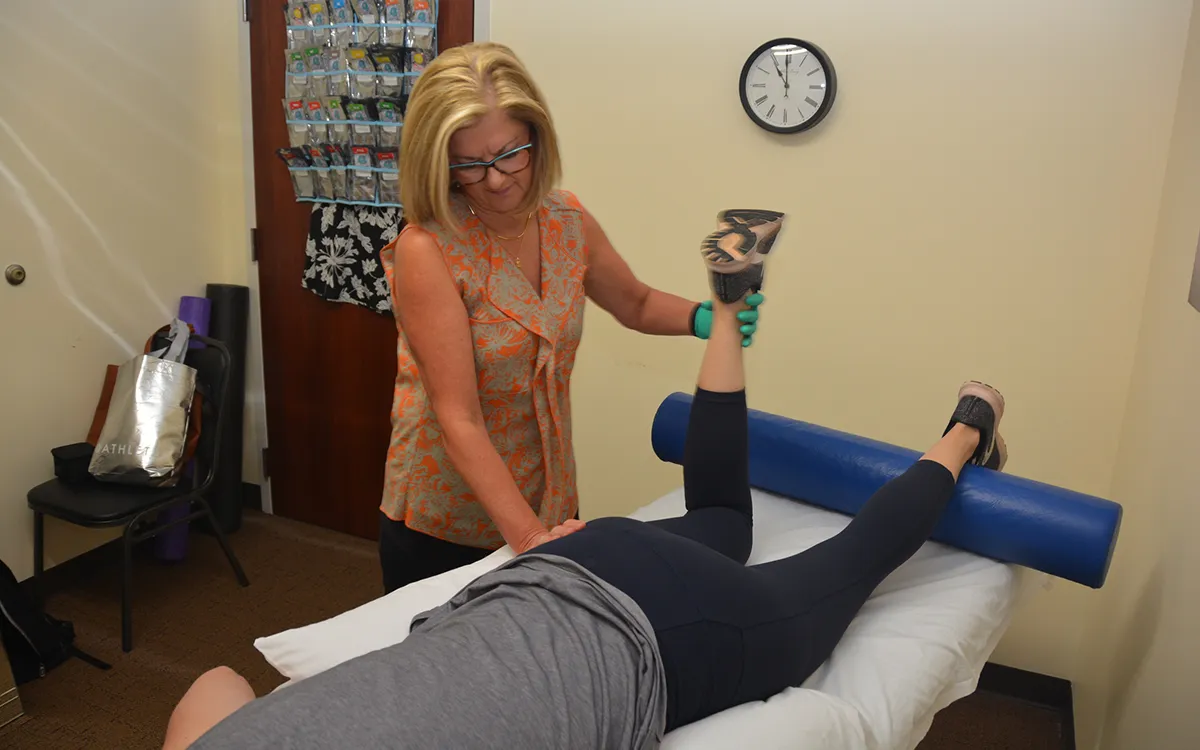
Manual Therapy
Hands-on techniques that release tension and restore normal joint movement, from the jaw to nearly any joint in the body.