Neck Pain Treatment in Charlotte
Stiffness that makes it hard to check a blind spot, an ache that creeps into your shoulder by the end of a desk day: these are common, but they aren't something you have to just manage. One evaluation can tell you exactly why your neck feels this way, and what to do about it.
What causes neck pain?
Turning your head to check a blind spot shouldn't take effort, and a dull ache that spreads into your shoulder by the end of a desk day isn't something to just live with. Most people push through it until it stops going away on its own. Your neck holds up the weight of your head, roughly ten to twelve pounds, through a stack of small joints, discs, and muscles built for both mobility and control. When posture, an old injury, or daily habits ask more of that system than it can give, pain and stiffness follow. An evaluation tells us which part of that chain is overloaded, so treatment addresses the cause instead of just the ache.
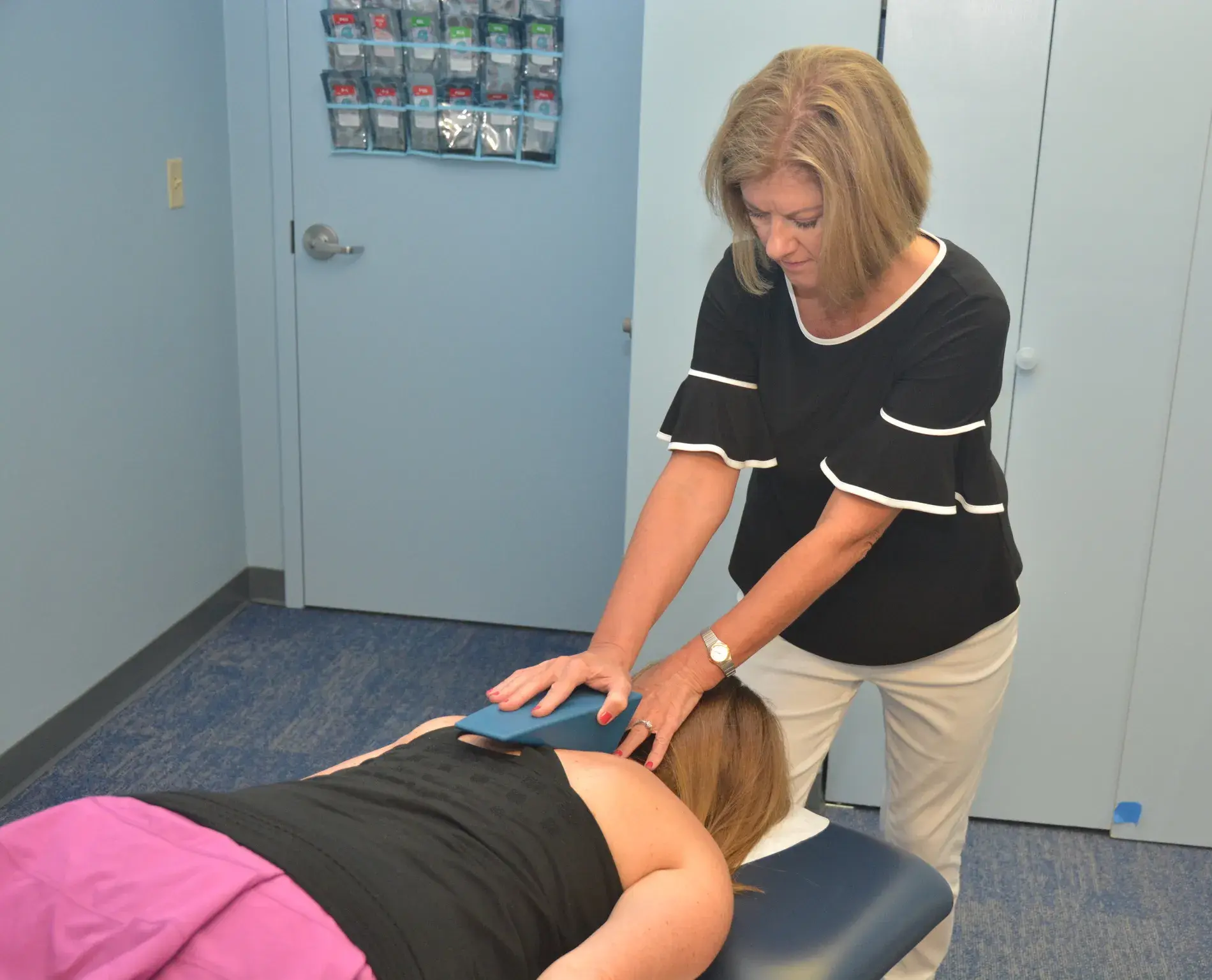
It's tempting to blame your desk setup the moment your neck starts to ache, and a low monitor or a phone habit is often part of the picture. Every inch the head drifts forward of the shoulders multiplies the load the neck muscles have to hold up, and hours spent looking down at a screen ask the muscles at the base of the skull and upper back to work overtime, all day, every day. Posture is rarely the whole story, though. The evaluation is what confirms whether your setup, your strength, or both are the real driver.
A sudden awkward movement, an odd sleeping position, or an unaccustomed workout can strain the muscles and connective tissue of the neck. The result is usually sharp stiffness and limited rotation that eases over days to weeks with the right movement and hands-on care. Left alone, though, these strains can set up compensation patterns that outlast the original injury, which is one reason more stretching on your own doesn't always finish the job.
The discs between the neck vertebrae can bulge or degenerate much like those in the low back, sometimes irritating a nearby nerve root. That irritation can send pain, numbness, or tingling down into the shoulder blade, arm, or hand. Imaging usually isn't the first step: most disc-related neck pain improves substantially with targeted movement and manual therapy, and a scan only becomes useful once your symptoms suggest we need one.
A car accident, a fall, or a sports collision can jolt the neck faster than the muscles can brace for, straining ligaments and joints even when nothing shows up on imaging. Whiplash-type injuries often leave lingering stiffness and sensitivity long after the initial event, particularly when the early recovery period is spent immobile instead of appropriately active.
As the years pass, the joints and discs of the neck naturally wear, much like any other joint in the body. This is common and shows up on imaging for plenty of pain-free people, so a spondylosis finding on a scan is not a life sentence. The goal isn't to reverse the wear, it's to keep the surrounding muscles strong and the joints moving well so the neck stays functional regardless of what a scan shows.
The upper trapezius and neck muscles are a common place the body stores stress, tightening reflexively during demanding weeks even without a specific injury. That chronic guarding restricts movement and often feeds directly into tension headaches. Addressing the physical tension, not just the schedule causing it, is frequently the fastest path to feeling like yourself again.
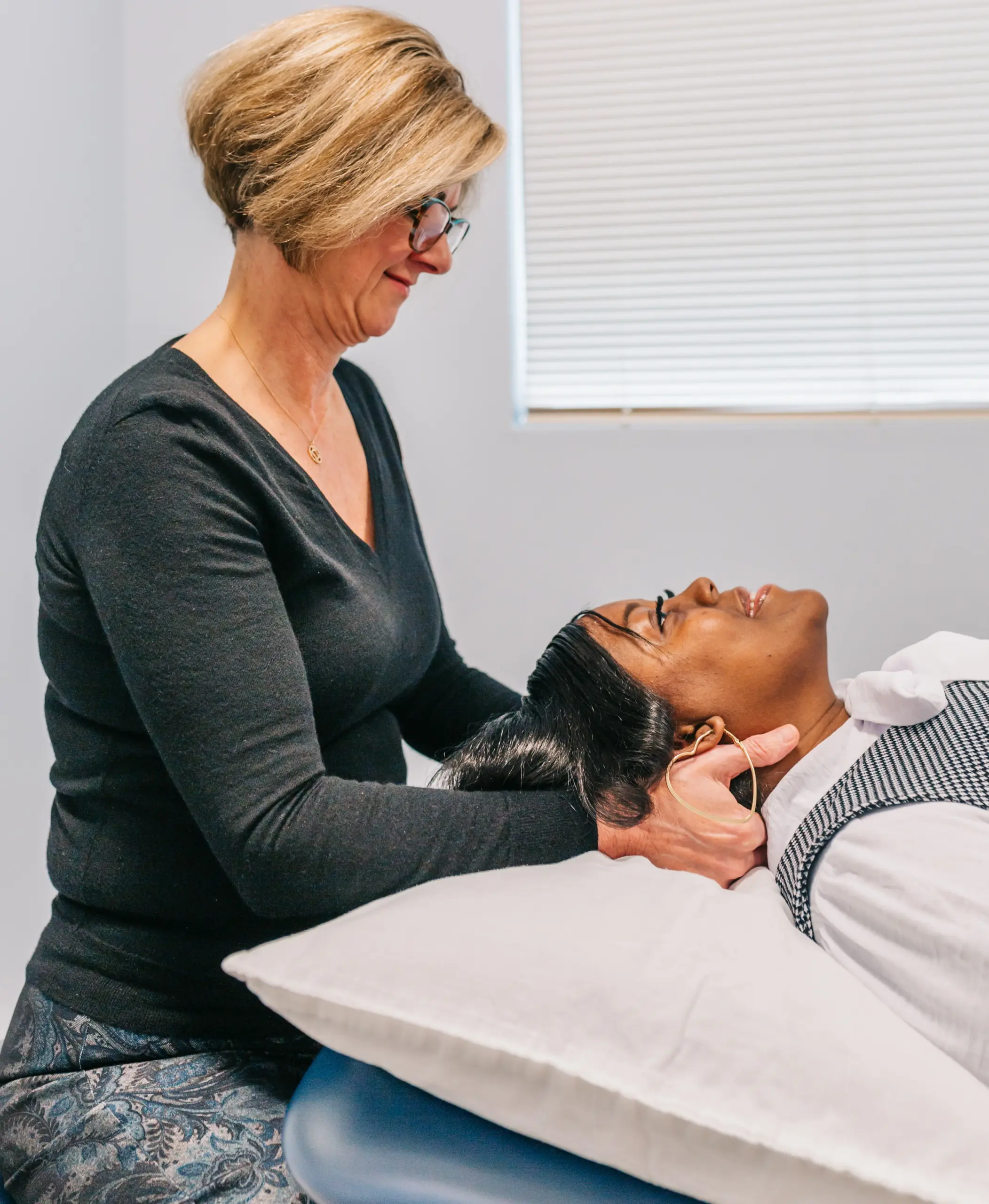
How physical therapy in Charlotte helps.
Neck pain is one of the most responsive conditions to hands-on physical therapy, and it rarely needs imaging or injections before real progress starts. A thorough evaluation identifies exactly which joints, discs, or muscles are driving your specific symptoms, because the plan for a disc issue looks nothing like the plan for pure muscle tension, and stretching on your own tends to treat every neck the same way. Dr. Ginger Morrissey, PT, DPT, FAAOMPT, CMTPT, is one of a small number of physical therapists nationally with an AAOMPT Fellowship, a manual therapy specialty that's built for exactly this kind of hands-on, joint-by-joint problem solving. Manual therapy and, when appropriate, dry needling calm irritated tissue and restore motion early on. From there, we rebuild the strength and postural control your neck needs to hold up through a full workday without seizing up by mid-afternoon. Every session is one on one, and the plan evolves as you improve rather than staying static. The goal isn't a temporary loosening up. It's a neck that can turn, look up, and carry a full day's posture without complaint.
What to expect from your recovery.
Evaluation
Your first visit is a hands-on assessment of your neck, upper back, and posture, plus a conversation about how your symptoms started and what makes them worse. North Carolina allows direct access, so you don't need a referral to get started. We pinpoint what's driving your symptoms and give you an honest picture of the recovery timeline ahead.
Hands-on plan
Manual therapy, targeted mobility work, and gentle loading calm irritated tissue and restore comfortable range of motion. This is where the plan diverges from generic stretching: every technique is chosen based on what your evaluation found, and explained so you understand exactly why it's helping.
Progressive strengthening
As pain eases, we build the postural strength and endurance your neck needs to get through a full day, a full workout, or a full workweek without flaring back up. This is the phase that makes results last instead of fading a few weeks after you feel better.
Wonderful personalized treatment, very thorough. Spends time getting to know patients. Almost immediate relief.
Pain rarely travels alone.
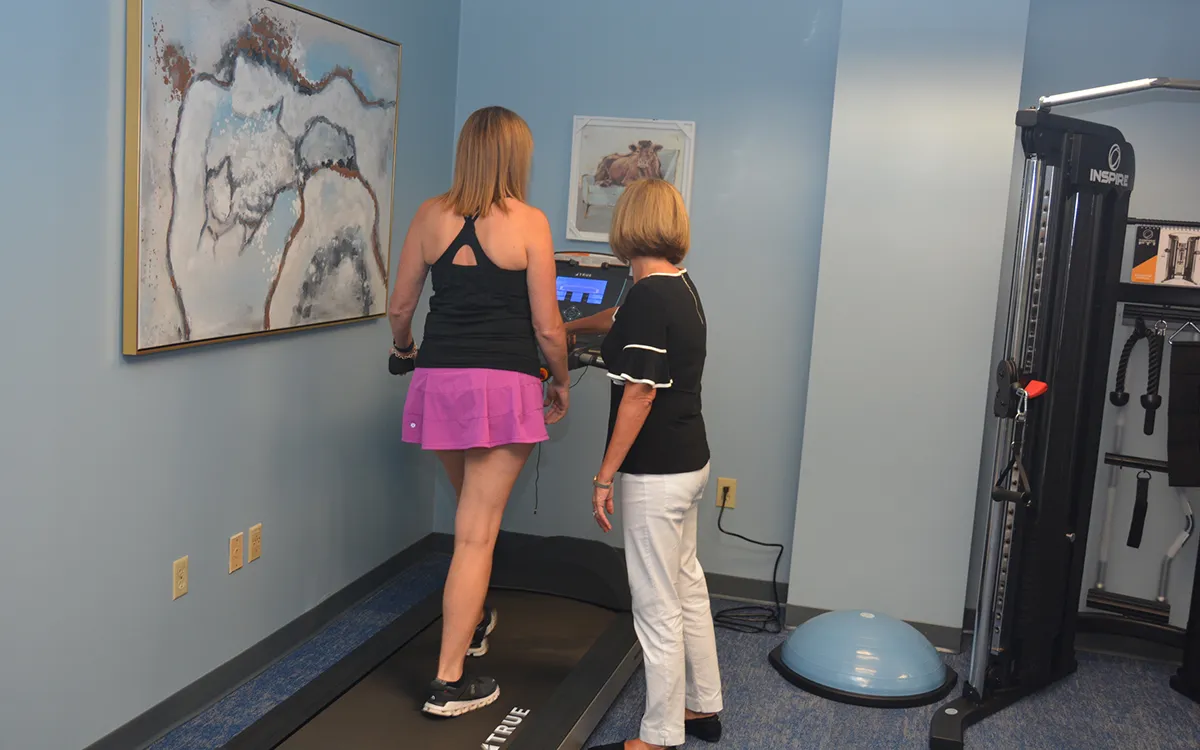
Headaches
Neck tension is one of the most common drivers of recurring headaches, and it's usually more fixable than people expect. Relief starts with the source, not just the symptom.

Jaw Pain (TMJ)
The neck and jaw share muscles and movement patterns, so pain in one often shows up in the other. When they're linked, we treat both instead of chasing just the one that hurts loudest.

Shoulder Pain
Neck and shoulder pain frequently travel together, since many of the same muscles cross both joints. We evaluate the whole upper quarter so nothing gets missed.