Shoulder Pain Treatment in Charlotte
Reaching overhead, sleeping on that side, or lifting the everyday stuff has quietly turned into a problem. That's not just getting older, and it's not automatically a surgery case. One evaluation shows you exactly what changed and how to fix it.
What causes shoulder pain?
Reaching overhead, sleeping on that side, or lifting a bag of groceries becomes a real problem, and it is tempting to write it off as just getting older, or to assume a rotator cuff tear means surgery no matter what. Neither is usually true. The shoulder is the most mobile joint in your body, which means it depends on muscle strength and control more than any other joint to stay stable. When the rotator cuff weakens, the surrounding tissue tightens, or your posture pulls the joint out of alignment, pain follows. Finding what actually changed in your shoulder mechanics, rather than just chasing the pain, is what makes relief last.
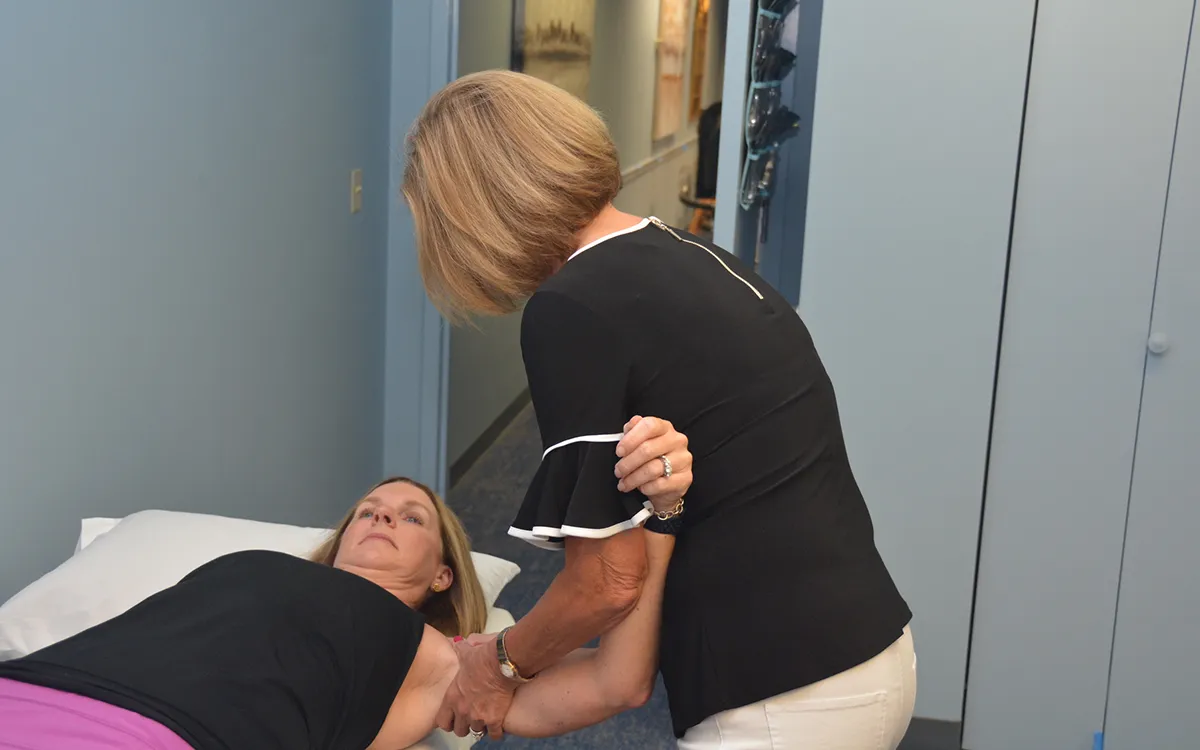
The rotator cuff is a group of four small muscles that hold the top of the arm bone in the shoulder socket. They can be strained from repetitive overhead work or torn from a fall or sudden load. Pain reaching overhead or lying on that side is usually the first sign. Most rotator cuff tears do not need surgery. Physical therapy is worth trying first, and building strength around the injury often resolves the pain even when a tear shows up on imaging.
Frozen shoulder is stiffness that builds gradually and steadily limits how far your arm will move. It often follows an injury, a surgery, or a long stretch of barely using the shoulder. The tissue capsule around the joint tightens and thickens, making even small movements painful. It typically resolves over several months to about a year on its own, and hands-on mobilization paired with the right stretching shortens that timeline and keeps you moving in the meantime.
When the rotator cuff is weak or fatigued, the top of the arm bone drifts upward and pinches the tendons and bursa underneath it. That pinching is what causes the sharp catch of pain when you reach overhead. Opening up that space and rebuilding control of the muscles that hold the joint down is what resolves it.
The acromioclavicular joint sits at the top of the shoulder, where the collarbone meets the shoulder blade. Arthritis, an old sprain, or general joint irritation here shows up as pain reaching overhead or across your body. Improving how the whole shoulder moves usually calms this down without needing injections or surgery.
Hours at a desk with rounded shoulders, or repetitive overhead work at a job or in the gym, load the rotator cuff without giving it time to recover. The muscles fatigue, tighten, and eventually strain or tear. Correcting posture and retraining how you load the shoulder stops the cycle before it becomes a bigger injury.
Shoulder stability depends on several muscle groups working in coordination, not any single muscle carrying the load. When some muscles are weak and others compensate by overworking, the joint loses control and pain shows up during ordinary activity. Rebalancing that coordination restores stability and gets you back to moving without thinking about it.
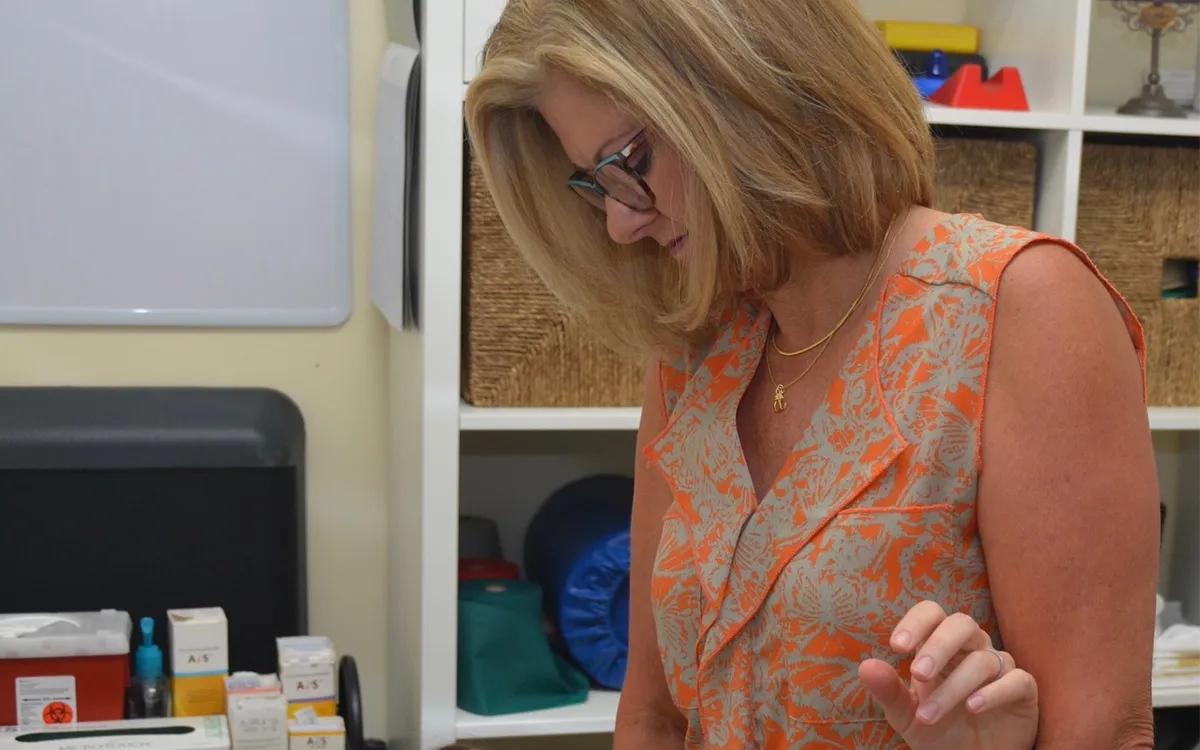
How physical therapy in Charlotte helps.
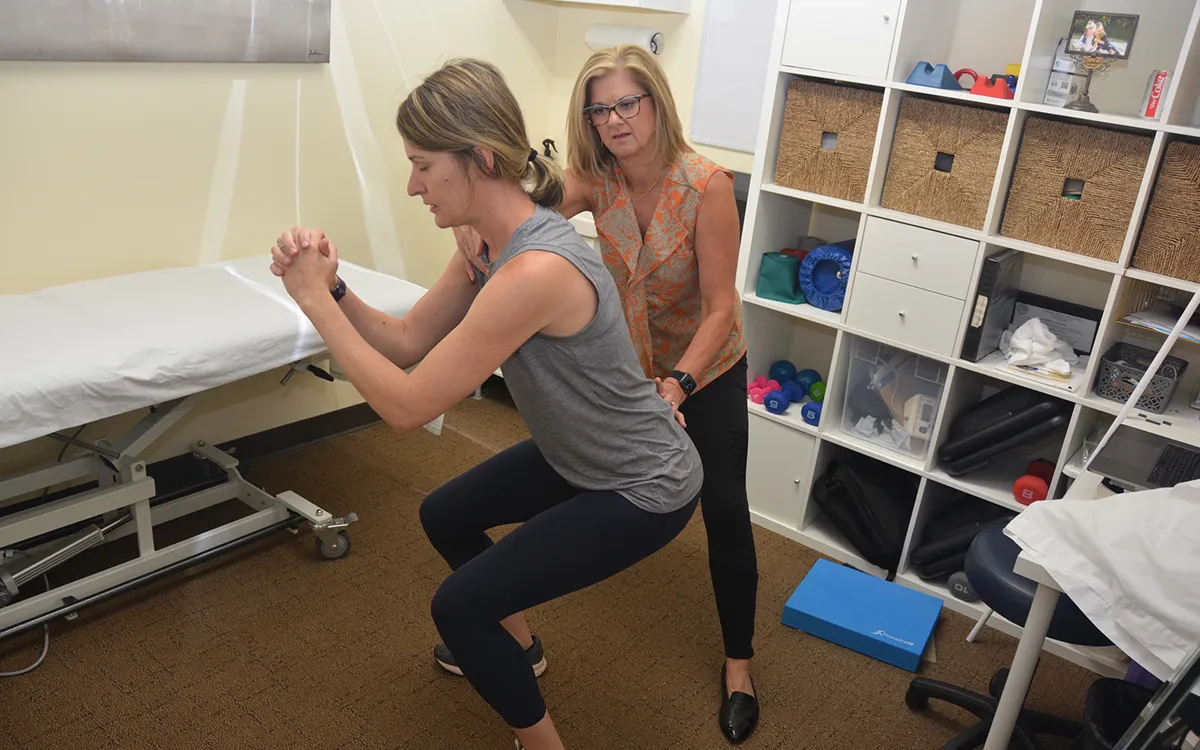
We start with a full assessment of how your shoulder moves, how stable it is, and where it has lost strength. From there, our approach is mobility first, strength second. Hands-on manual therapy releases the tight tissue restricting your range of motion and addresses any stiffness in your neck and shoulder blade that is forcing your shoulder to compensate. Once you can move freely again, we build strength and control in the rotator cuff and the muscles that support it, so the mobility you regained actually holds up under load. Most rotator cuff and frozen shoulder cases respond well to this approach without needing surgery, and one of the first wins patients report is sleeping through the night again without the shoulder waking them up.
What to expect from your recovery.
Assessment
We test your shoulder's range of motion, strength, and stability, and check how your shoulder blade, neck, and posture are feeding into the problem. You leave your first visit with a clear picture of what changed in your shoulder and a specific plan for fixing it.
Release and mobility
We use hands-on techniques to release tight tissue and restore the shoulder's natural movement. For frozen shoulder, this is where the stiffness starts breaking up, gradually and predictably, so you regain motion you thought was gone for good.
Strengthening and stability
Once your shoulder moves freely, we rebuild strength in the rotator cuff and the muscles that support it. You learn how to reach, lift, and sleep on that side again without the fear that it will flare back up.
Ginger was amazing. Extremely professional but equally personable. She did wonders for my frozen shoulder. Would recommend with no hesitation!
Pain rarely travels alone.
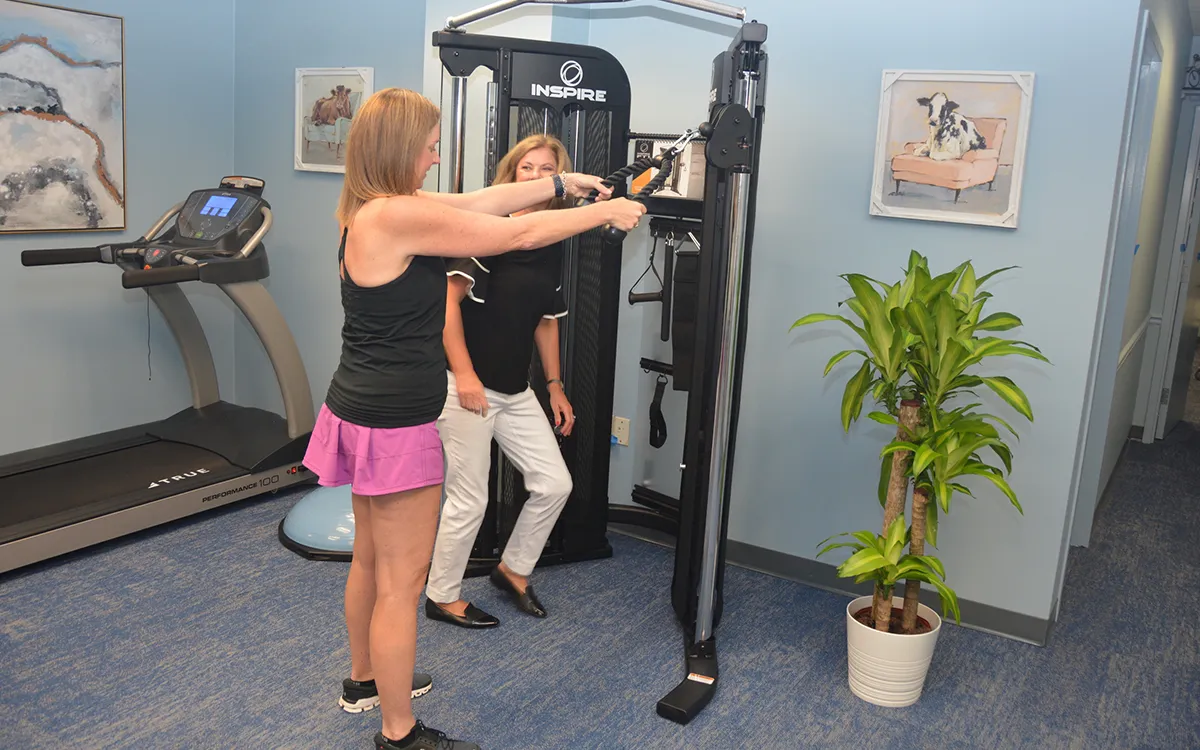
Elbow, Wrist & Hand Pain
Shoulder problems often change how your elbow, wrist, and hand work too. Treating the whole arm restores function, not just the joint that hurts.
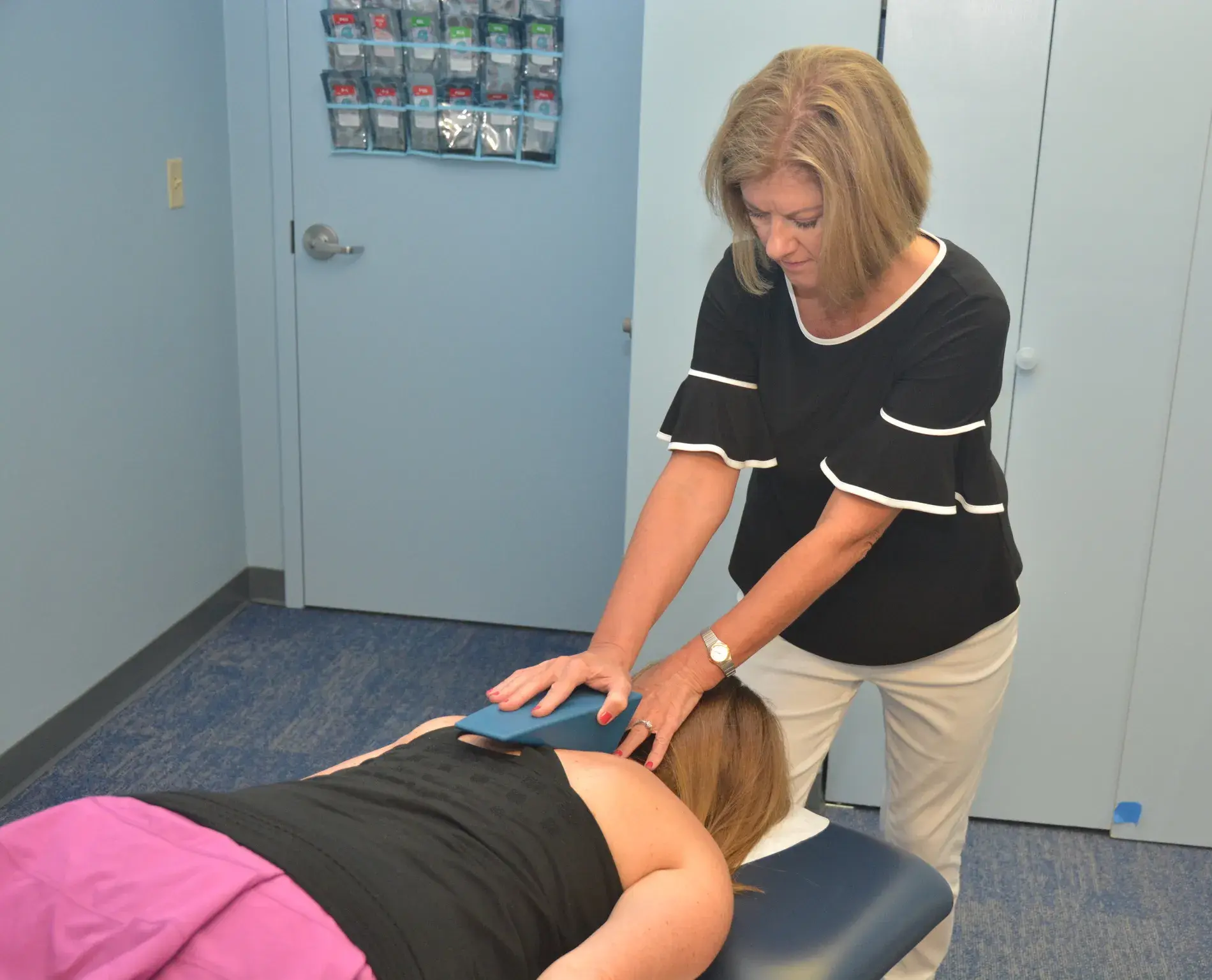
Neck Pain
The neck and shoulder share muscles and mechanics. Tightness or weakness in one almost always shows up in the other.
Hip & Knee Pain
Throwing and overhead sports load the shoulder and the lower body together. Real recovery means strength and control through the whole chain.