Bowel and Bladder Dysfunction Care in Charlotte
Urinary urgency, leakage, constipation, or straining are common, especially after childbirth or with age, yet they're rarely talked about. A private pelvic floor evaluation gets to what's actually driving your symptoms, so you have a real plan instead of a lifetime of managing around them.
What causes bowel and bladder dysfunction?
Needing to know where every bathroom is, leaking with a cough or a sneeze, or straining and still feeling like you didn't fully empty: these are common experiences, especially after childbirth or as you get older. They're also rarely talked about, which is why so many people quietly assume they just have to live with them. In reality, bladder and bowel control depend on a coordinated system of pelvic floor muscles, nerves, and habits. When any part of that system is too weak, too tense, or out of sync, urgency, leakage, or straining can follow. Finding out which piece is driving your symptoms is what separates a real fix from just managing around it.
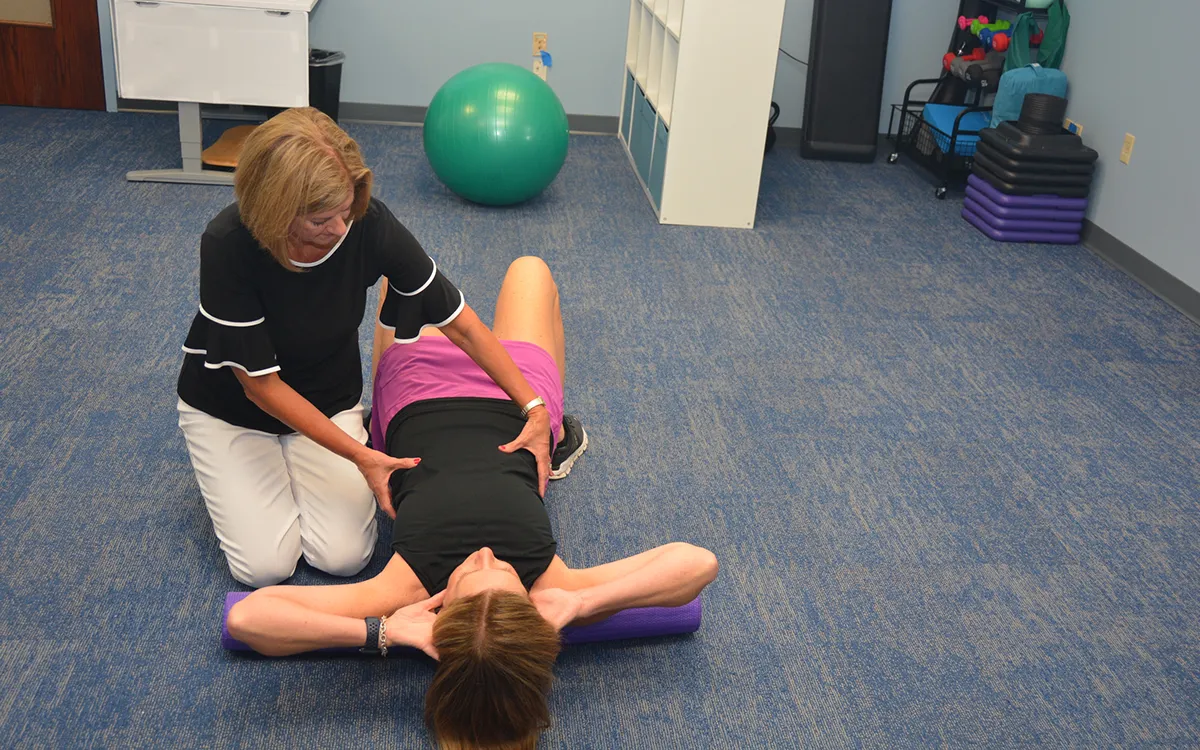
The pelvic floor works like a sling that supports the bladder and bowel and controls when they release. Weakness in these muscles, from pregnancy, childbirth, surgery, or years of underuse, means there isn't enough support during a cough, a sneeze, or a quick movement. That gap in support is what shows up as leakage. It's a mechanical problem with a mechanical solution: targeted strengthening restores the sling's ability to do its job on demand.
Leakage and urgency aren't always about weakness. Muscles that are chronically tight, or unable to fully relax, can just as easily cause urgency, incomplete emptying, and straining, because a tense pelvic floor struggles to coordinate the release phase of urination or a bowel movement. This pattern shows up often after stress, a prior injury, or years of holding tension in the pelvis without realizing it. Learning to relax and coordinate these muscles matters just as much as strengthening them.
Carrying a pregnancy and delivering a baby, whether vaginally or by cesarean, places real demand on the pelvic floor and the connective tissue around it. Stretching, nerve strain, and changes in how your body manages pressure during pregnancy can all affect bladder and bowel control well after delivery, sometimes months or years later. These changes are common. They are also treatable, not something you're expected to simply accept as the new normal.
Repeated straining during a bowel movement puts sustained downward pressure on the pelvic floor and can, over time, weaken its support or irritate the nerves that help regulate bladder and bowel signaling. This is why constipation and bladder urgency so often show up together. Addressing bowel habits and straining patterns is frequently part of resolving bladder symptoms too, not a separate issue.
The nerves that signal when the bladder or bowel is full, and that help coordinate the muscles involved in emptying, can become irritated from childbirth, surgery, prolonged sitting, or repetitive strain. When those signals misfire, you might feel urgency with very little in the bladder, or have trouble sensing when it's actually time to go. Restoring normal nerve function and muscle coordination together tends to improve both problems at once.
Surgeries such as a hysterectomy, cesarean delivery, or other abdominal procedures can leave scar tissue that restricts normal tissue mobility and changes how pressure moves through the pelvis and abdomen. That restriction can alter bladder and bowel function even when the surgery itself went well and healed properly. Manual therapy aimed at restoring mobility around the scar is often the overlooked piece of a full recovery.
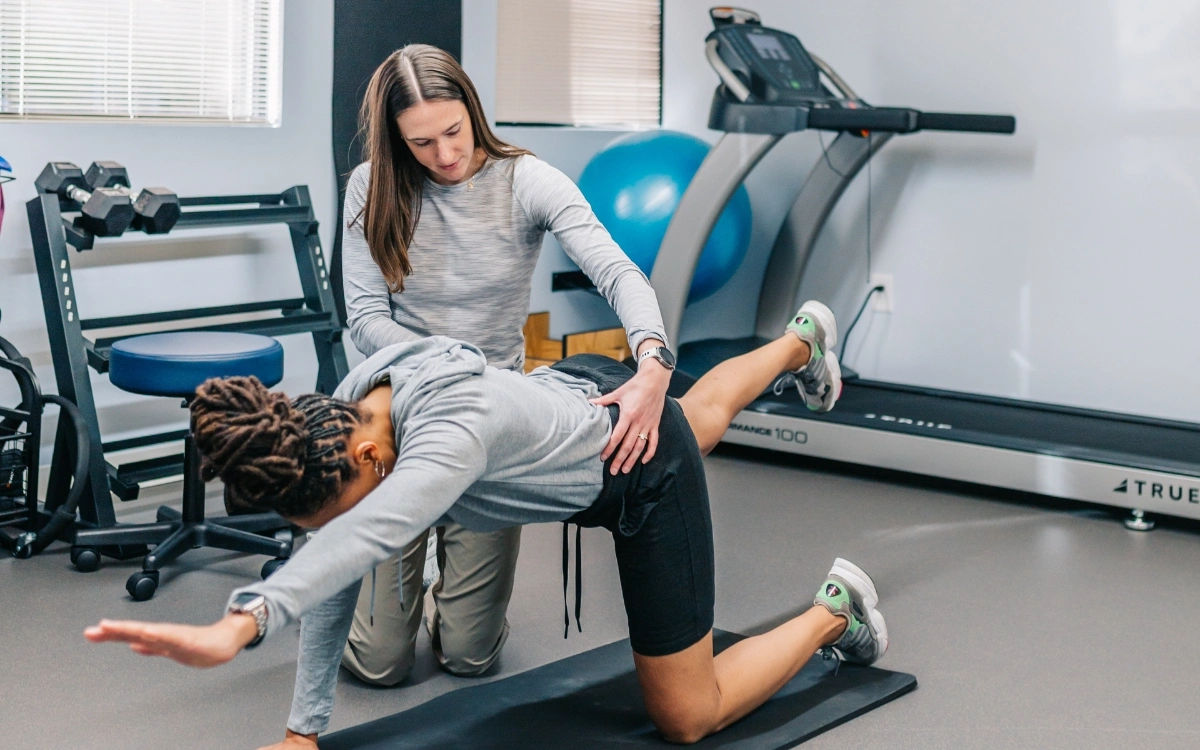
How physical therapy in Charlotte helps.
Bowel and bladder dysfunction is a legitimate medical condition, and pelvic floor physical therapy is a recognized, first-line treatment for it, not a last resort after everything else fails. Every evaluation starts as a private conversation, not an exam, so you can describe what's happening in your own words before any hands-on assessment begins, and each step of that assessment is explained ahead of time and paced to your comfort. This care isn't only for women. Men experience urgency, leakage, and straining too, often after prostate surgery or simply with age, and treatment works the same way for both. From there, your plan may include internal or external manual therapy to address restriction, biofeedback to help you feel and control muscles you can't see, and a specific exercise program to rebuild strength or teach relaxation, depending on what your body needs. Bladder training and bowel habit strategies round out the plan so the changes hold up in daily life, not just in a session. We're out of network with all commercial insurance plans, so this is billed directly to you at a flat rate, and in North Carolina you don't need a physician referral to get started. The goal isn't just fewer accidents. It's a pelvic floor that works with you instead of against you.
What to expect from your recovery.
Evaluation
Your first visit starts with a private conversation, not an exam, about your symptoms, your history, and what you're hoping changes. From there, a hands-on assessment looks at pelvic floor strength, tension, and coordination, with each step explained before it happens and paced to what you're comfortable with. You leave with a clear explanation of what's actually driving your symptoms and a realistic plan.
Hands-on plan
Depending on what we find, treatment may include manual therapy to release restriction, biofeedback to build awareness and control, and targeted pelvic floor retraining, whether that means building strength or learning to relax muscles that are holding too much tension. Every technique is explained before we start.
Progressive strengthening
As control improves, we layer in bladder training, bowel habit strategies, and functional strengthening so the changes hold up during real life: at work, during exercise, with your kids, not just during a session in our clinic.
My experience with Pinpoint has been excellent. My provider has been very thorough and has tailored treatment to my specific issues and needs.
Pelvic health rarely stands alone.
Pelvic Pain
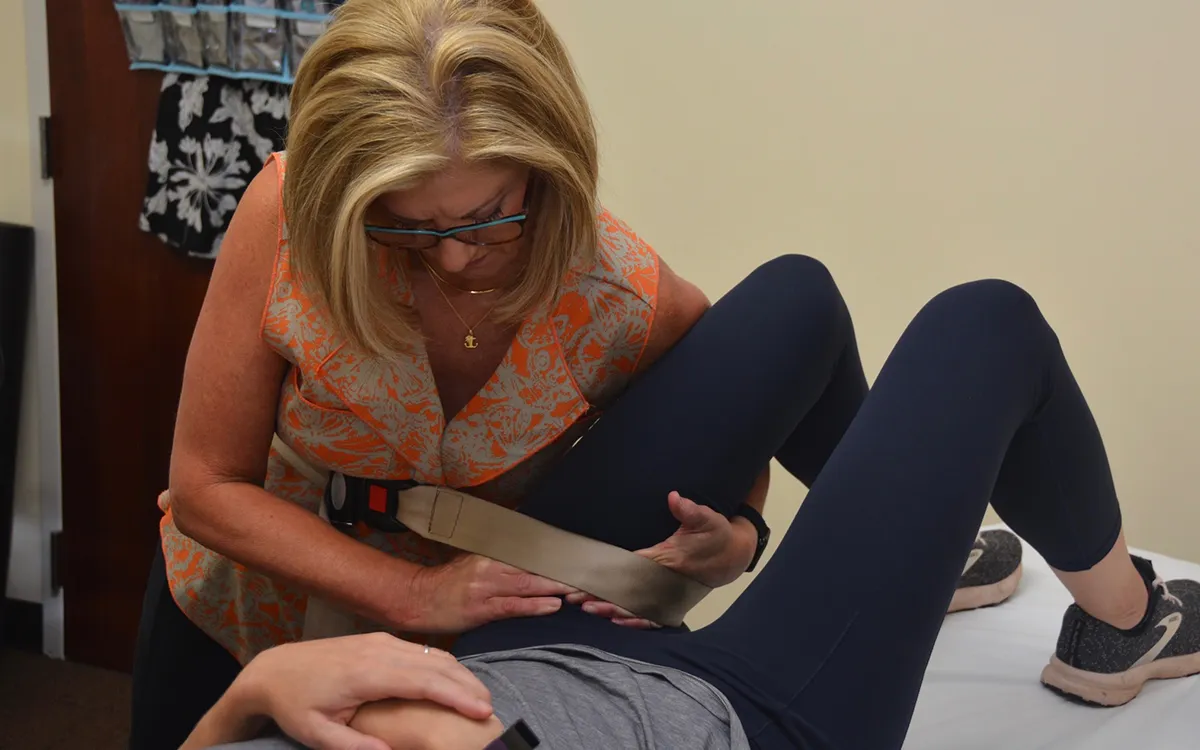
Bladder and bowel symptoms often share the same root cause as pelvic pain. We look at the whole system, not just one symptom.
Urinary Incontinence
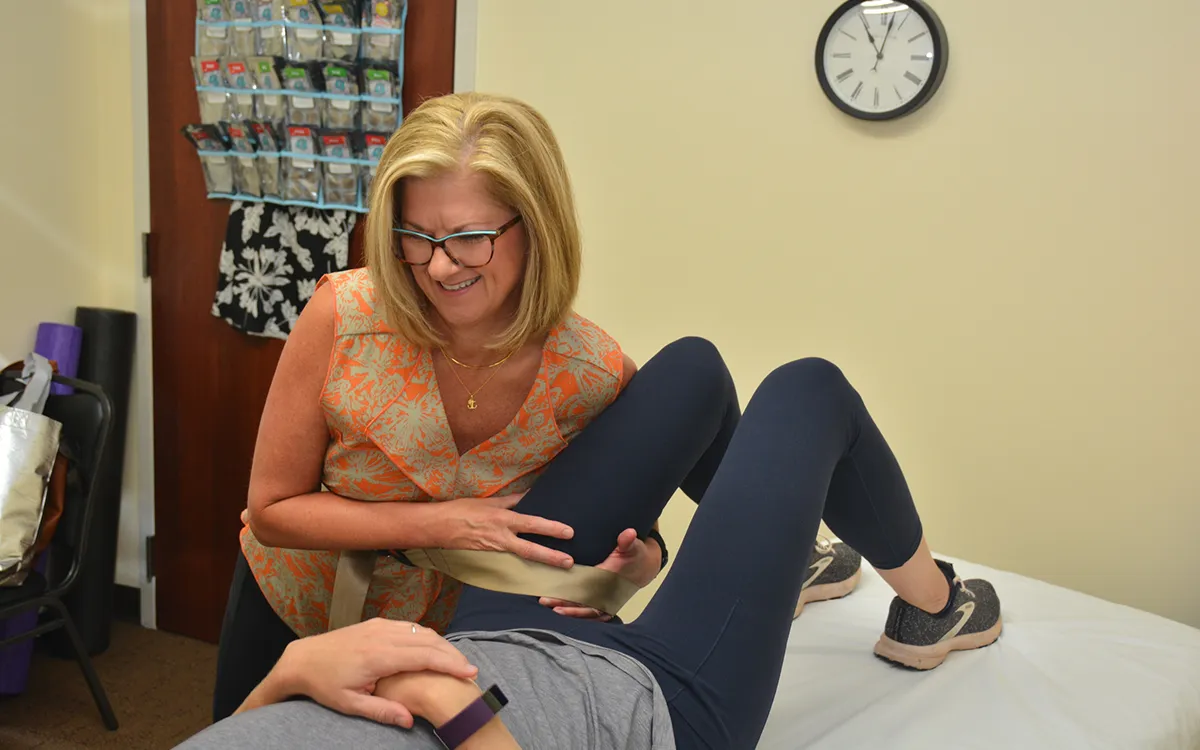
Leakage is one of the most common symptoms we see alongside bowel and bladder dysfunction, and it's very treatable.

Endometriosis
Endometriosis near the bowel or bladder often brings urgency or pain with elimination along with it.