SoftWave in Charlotte
When a tendon or joint injury refuses to heal despite rest, stretching, and standard physical therapy, SoftWave gives your body a non-invasive way to jumpstart real repair, right at the source of the problem.
Hear it from Dr. Morrissey.
Dr. Ginger Morrissey, founder of Pin Point Physical Therapy, walks through why we brought SoftWave to the clinic, how a session works, and the kinds of stubborn injuries it is designed to help.
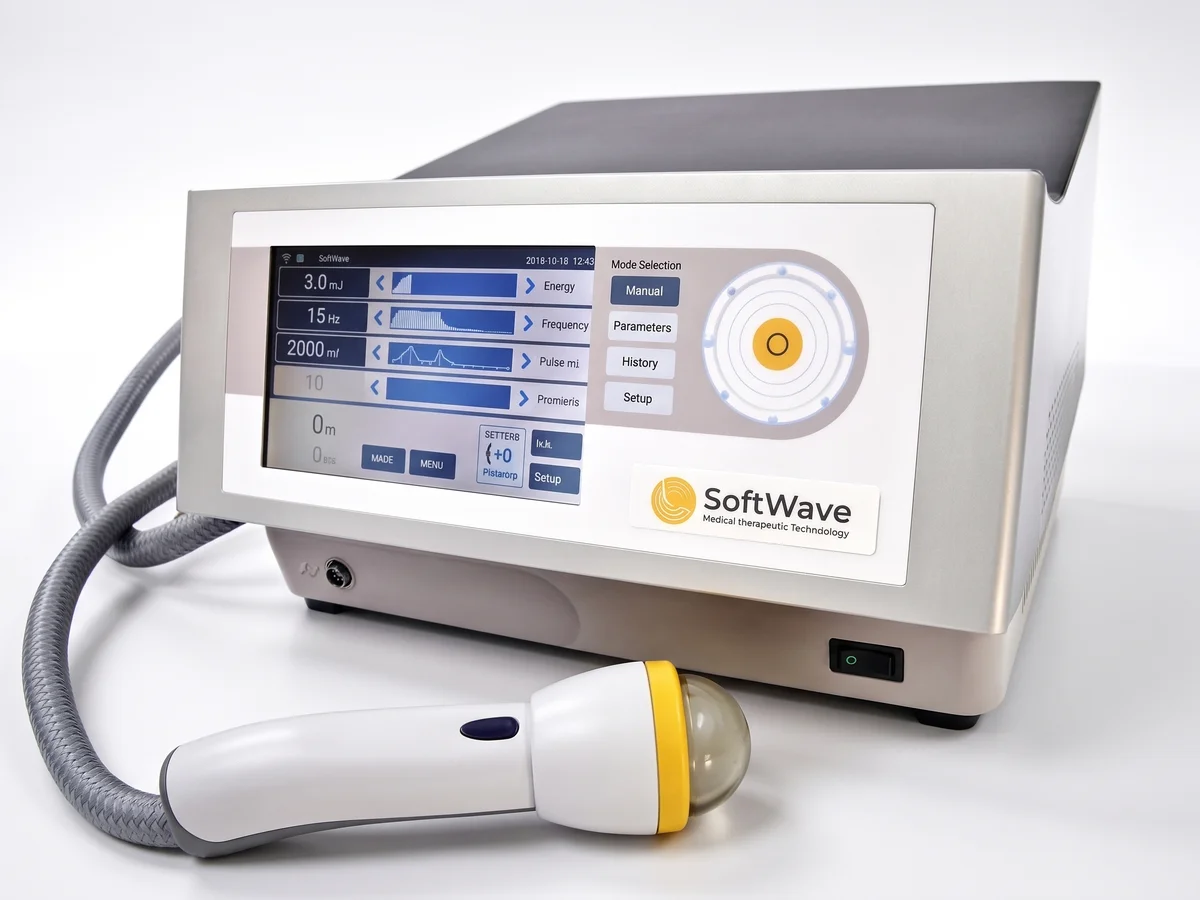
What is SoftWave?
If you've been dealing with the same tendon or joint pain for months, and rest, stretching, and a course of physical therapy haven't fully resolved it, you are not imagining that it is stuck. Some tissue injuries stall: the body's normal repair process slows down or stops responding on its own, no matter how much time you give it. SoftWave is a form of extracorporeal shockwave therapy built for exactly that situation. It delivers broad-focused acoustic pressure waves into the injured tissue to restart blood flow, break up scar tissue and calcifications, and reactivate cellular repair at the site of the injury, rather than simply masking the pain around it.
SoftWave is not a replacement for physical therapy, and it is not the first thing we reach for. It is a non-invasive next step for a tendon or soft tissue injury that has not responded to standard care, one we offer before considering an injection or surgery, and it is usually paired with a loading and strengthening program so the tissue that heals is also getting stronger. Most patients tolerate the treatment well: sessions are brief, need no anesthesia or downtime, and feel like a series of firm taps or pulses rather than sharp pain. Conditions we commonly treat with SoftWave include plantar fasciitis, Achilles tendinopathy, tennis and golfer's elbow, and rotator cuff tendinopathy, cases where healing has plateaued and a stronger stimulus is needed to get it moving again.
Who it's for.
SoftWave is not the right call for every ache or new injury. It is the right call when a specific tendon or joint problem has stalled: when rest, stretching, and standard treatment have not moved the needle and the pain is still there months later. Here is who tends to benefit most.
Chronic tendon pain that will not resolve
Plantar fasciitis, Achilles tendinopathy, or tennis elbow that has outlasted rest, stretching, and a full course of physical therapy is exactly the kind of stuck injury SoftWave is built to address.
Athletes who want to avoid a long layoff
If you are trying to stay active in your sport while treating an overuse injury, SoftWave targets the damaged tissue directly, without the downtime that comes with more invasive options like injections or surgery.
Anyone who has already tried rest without results
If time off has not fixed the problem, more rest is unlikely to be the answer. The tissue needs an active push to restart healing, and that is the stimulus SoftWave is designed to provide.
What to expect in a session.
No guessing, no wasted visits. Here is how a typical SoftWave appointment runs, from the moment you walk in to what happens between sessions.
A focused evaluation of the injured tissue
Your therapist confirms SoftWave is the right fit for your specific injury, pinpoints the exact tissue to target, and walks you through what the sessions will involve, including what it will and will not feel like.
The SoftWave treatment itself
A handheld applicator delivers broad-focused acoustic pressure waves directly over the injured tissue. Most patients describe it as a firm tapping or pulsing sensation rather than sharp pain. Sessions are brief, need no anesthesia, and you walk out and go about the rest of your day.
Loading and strengthening between sessions
SoftWave works best as part of a short series of sessions, spaced about a week apart, alongside a progressive exercise program. It is not a substitute for your physical therapy, it is what makes that therapy stick, so the tissue rebuilding underneath is also getting stronger.
SoftWave is not appropriate for everyone. We do not use it during pregnancy, over an active infection or tumor, directly over a pacemaker or certain other implants, or for patients with bleeding disorders or on blood thinners. Your therapist screens for these before your first session. Afterward, some mild soreness or redness in the treated area for a day or two is normal, and it is best to avoid anti-inflammatory medication like ibuprofen around your sessions, since it can blunt the healing response SoftWave is designed to trigger.
Very knowledgeable therapist and an excellent facility. Highly recommended.
Where to go next.
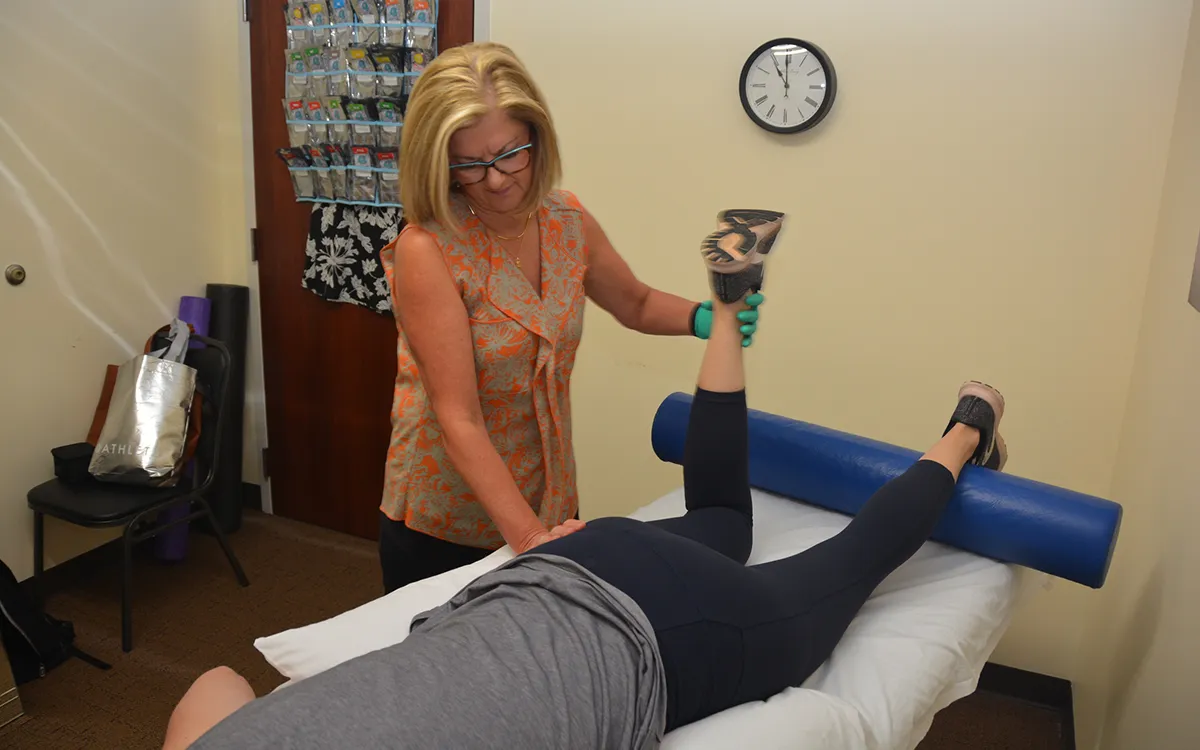
Manual Therapy
Hands-on techniques that release restrictions and keep the tissue SoftWave is healing moving the way it should.
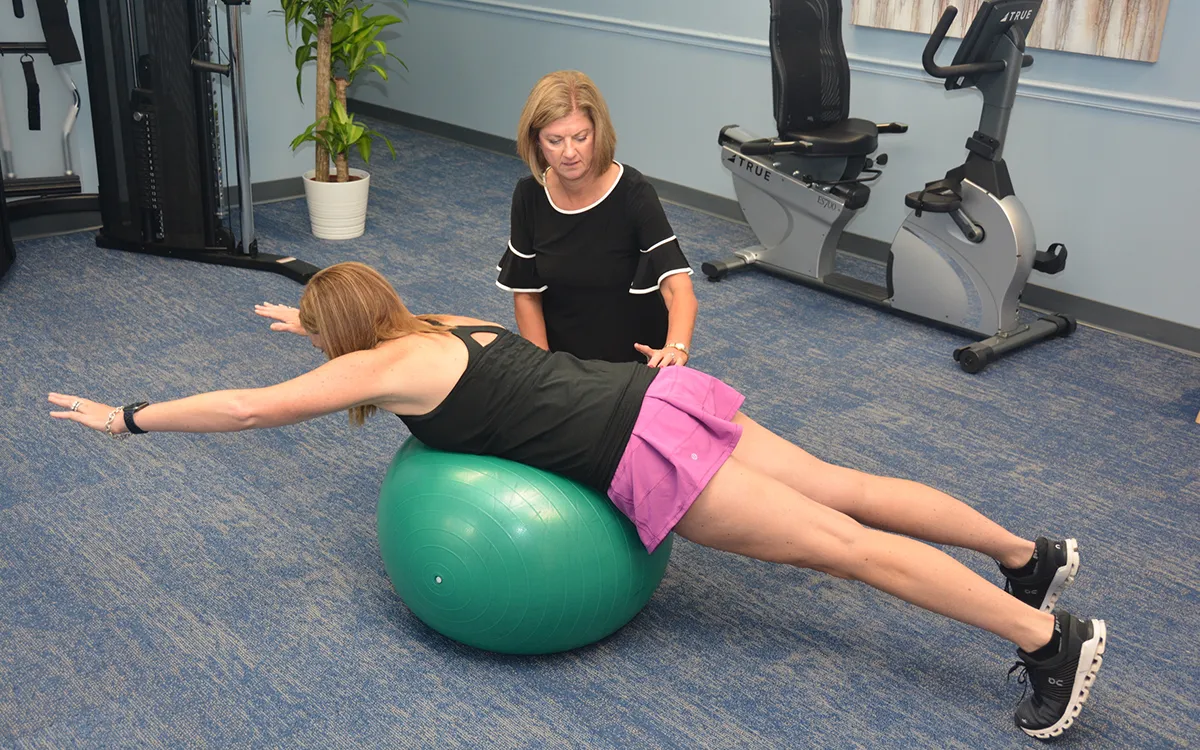
Orthopedic Therapy
Comprehensive rehab for joint, muscle, and post-surgical conditions, built around getting back to real function.
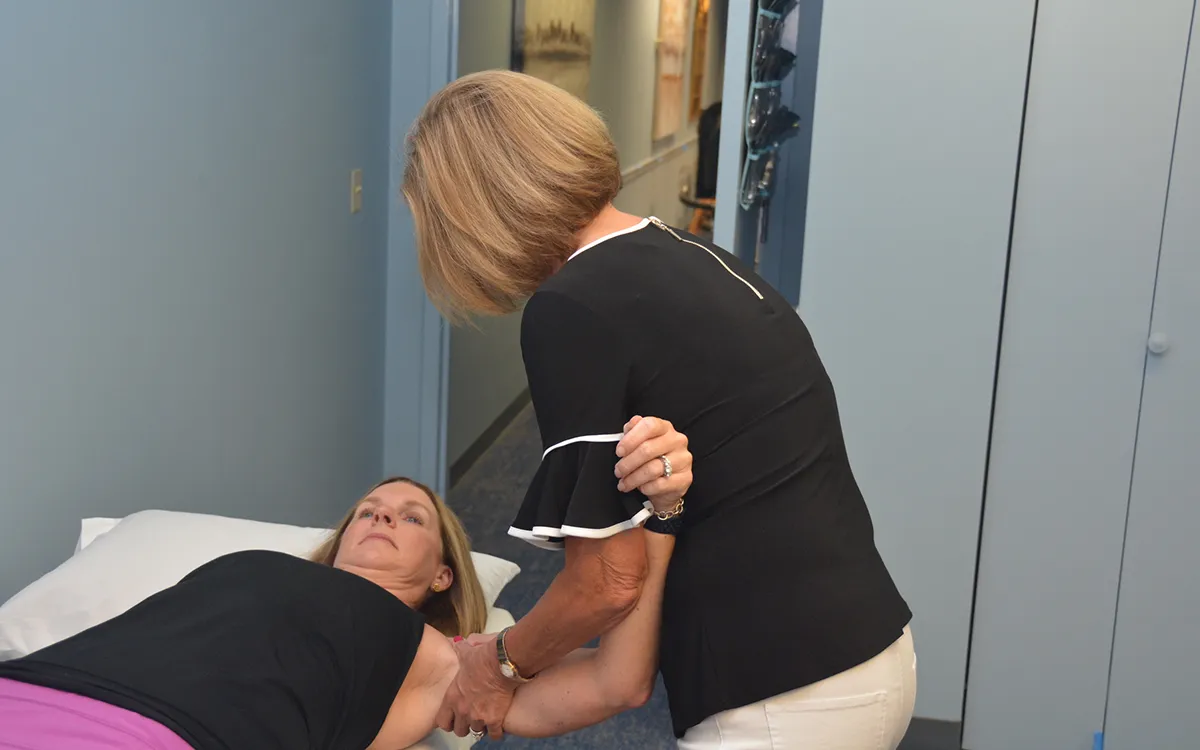
Shoulder Pain
Targeted care for shoulder pain that is keeping you from reaching, lifting, and sleeping well at night.