Elbow, Wrist & Hand Pain Treatment in Charlotte
Grip weakness, numbness, or an ache in the elbow that will not quiet down. It is easy to ignore until typing, lifting, or holding a racquet becomes genuinely hard. A focused evaluation tells you what is actually going on, and what to do about it.
What causes elbow, wrist, and hand pain?
Your elbow, wrist, and hand work as one chain of tendons, nerves, and small joints, so pain in one spot is rarely as simple as it looks. Grip weakness, tingling in your fingers, or an ache that flares when you type, lift, or swing a racquet is easy to write off as wear and tear, until it isn't. Most of these problems trace back to overuse, nerve compression, or a movement pattern that quietly overloads the same tissue. An evaluation sorts out which one you are dealing with, tennis elbow, carpal tunnel, or something else, and builds your plan around the real cause.
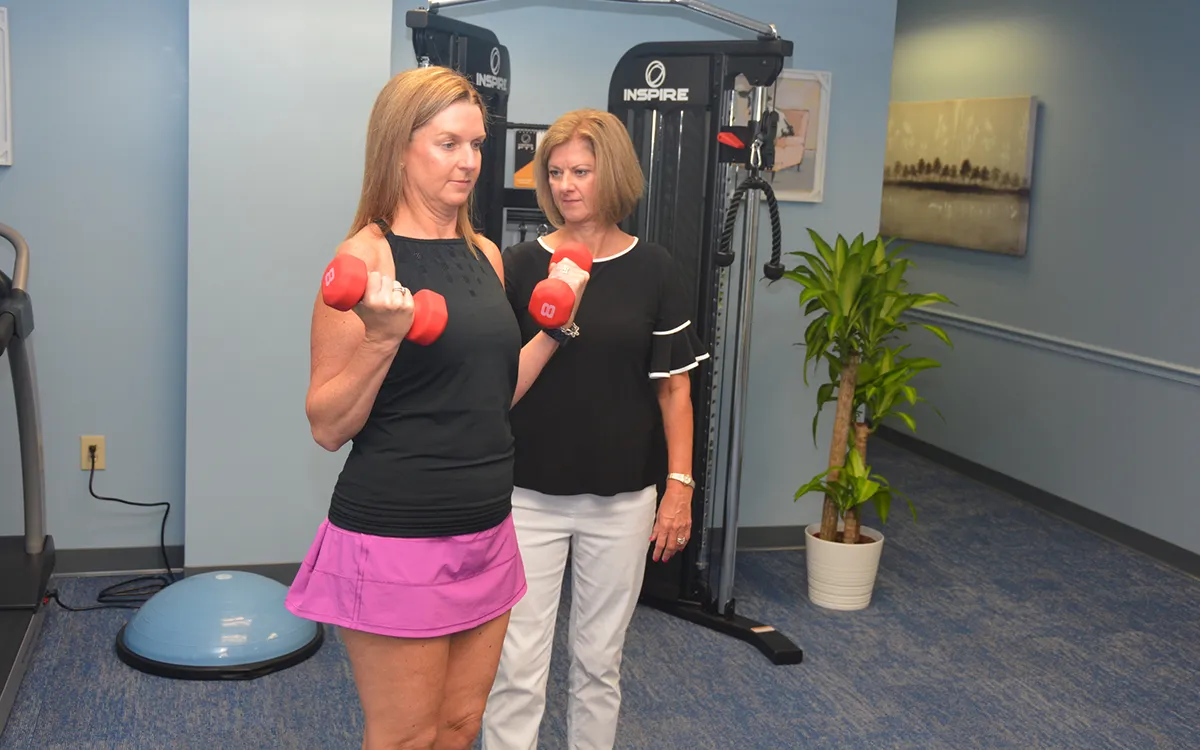
Tennis elbow shows up as an ache on the outside of the elbow that gets worse when you grip, lift, or shake hands. It comes from repetitive gripping, not from tennis specifically. Carpenters, painters, and tennis or pickleball players all get it. Treatment calms the irritated tendon first, then retrains the grip and swing pattern that caused it. Surgery is rarely the first step. Most tennis elbow responds well to a focused course of therapy.
Golfer's elbow is the mirror image of tennis elbow: inflammation on the inside of the elbow from gripping, twisting, or repetitive swinging. Golfers get it, but so does anyone who grips a tool or steering wheel all day. Like tennis elbow, it responds to calming the tendon and correcting the swing mechanics that keep reloading it. If your game has started to suffer along with your daily tasks, this is usually why.
The median nerve travels through a narrow tunnel in your wrist on its way to your thumb and first three fingers. When that tunnel tightens from swelling or repetitive motion, the nerve gets compressed, and you feel it as numbness, tingling, or a hand that feels weaker than it should. Not every case of numbness is carpal tunnel, which is why an evaluation matters before you assume the worst. Therapy targets the swelling, restores wrist mobility, and adjusts the activities compressing the nerve.
Arthritis in the wrist and hand brings pain, swelling, and stiffness that make small tasks, buttons, jars, keyboards, genuinely frustrating. The instinct is to protect the joint by using it less, but joints that move less tend to get stiffer and more painful. Guided movement and strengthening keep these small joints working. Physical therapy teaches you how to use your hand without loading the joints that are already irritated.
The tendons that bend and straighten your fingers pass through a series of tight tunnels. Repetitive gripping, typing, or poor racquet or tool technique can inflame them, sometimes to the point of catching or locking. Treatment focuses on calming the inflammation, restoring flexibility, and correcting the movement pattern that is loading the tendon, so it does not flare once you are back to full activity.
How you hold your wrist, forearm, and shoulder at your desk, behind the wheel, or on the court determines how much stress lands on the small joints and tendons of your hand. A wrist bent at a bad angle for hours, or a grip fighting your racquet instead of working with it, multiplies the load on every rep. Correcting posture and mechanics is often the difference between pain that keeps returning and pain that actually resolves.
How physical therapy in Charlotte helps.
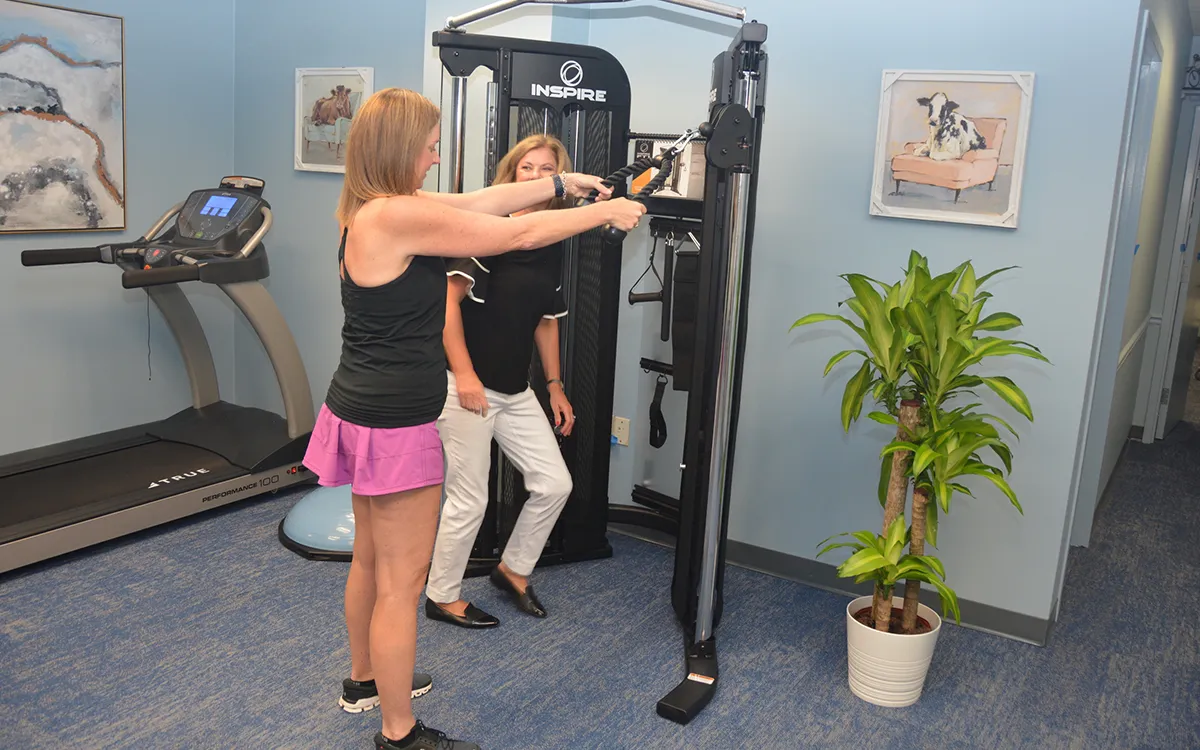
Elbow, wrist, and hand pain gets better when treatment addresses the irritated tissue and the movement pattern behind it, not just the flare-up in front of you. North Carolina allows direct access, so the first step is simply scheduling an evaluation, no referral required, where Dr. Ginger Morrissey, DPT, FAAOMPT, pinpoints what is going on before building your plan. Early sessions calm inflammation and restore gentle, pain-free motion. Hands-on manual therapy loosens the tight tendons and muscles pulling on the injured area. As pain settles, we layer in strengthening to build real resilience, and retrain the grip, swing, or typing pattern that caused the overload, because strength without better mechanics just sets up the next flare. If your sport is part of the picture, that matters here: as a competitive tennis player herself, Ginger looks specifically at grip and swing mechanics, so your plan accounts for getting you back on the court, not just off the treatment table. The goal is not simply less pain. It is a grip and a swing that hold up under real use.
What to expect from your recovery.
Assessment and inflammation management
Your first visit is a hands-on evaluation, not a guess. We figure out exactly what is driving your pain, whether that is a compressed nerve, an overloaded tendon, or a joint that has gotten stiff, and how your daily tasks or sport are feeding it. Early sessions use manual therapy and gentle, guided movement to calm inflammation and restore basic function.
Strengthening and movement retraining
As irritation settles, we build real strength in the muscles that support your elbow, wrist, and hand, and retrain the grip, swing, or typing pattern that led to the overload. This is where a tennis or golf swing gets a second look, so the fix holds up on the court, not just in the clinic.
Return to full activity and prevention
As pain fades and strength returns, you go back to typing, lifting, and playing without babying your arm. Before you finish, we make sure you know how to maintain strength and keep your mechanics sound, so this does not become a pattern you are managing for years.
Wonderful personalized treatment, very thorough. Spends time getting to know patients. Almost immediate relief. Exercises were appropriate and gave good variety.
Pain rarely travels alone.
Shoulder Pain
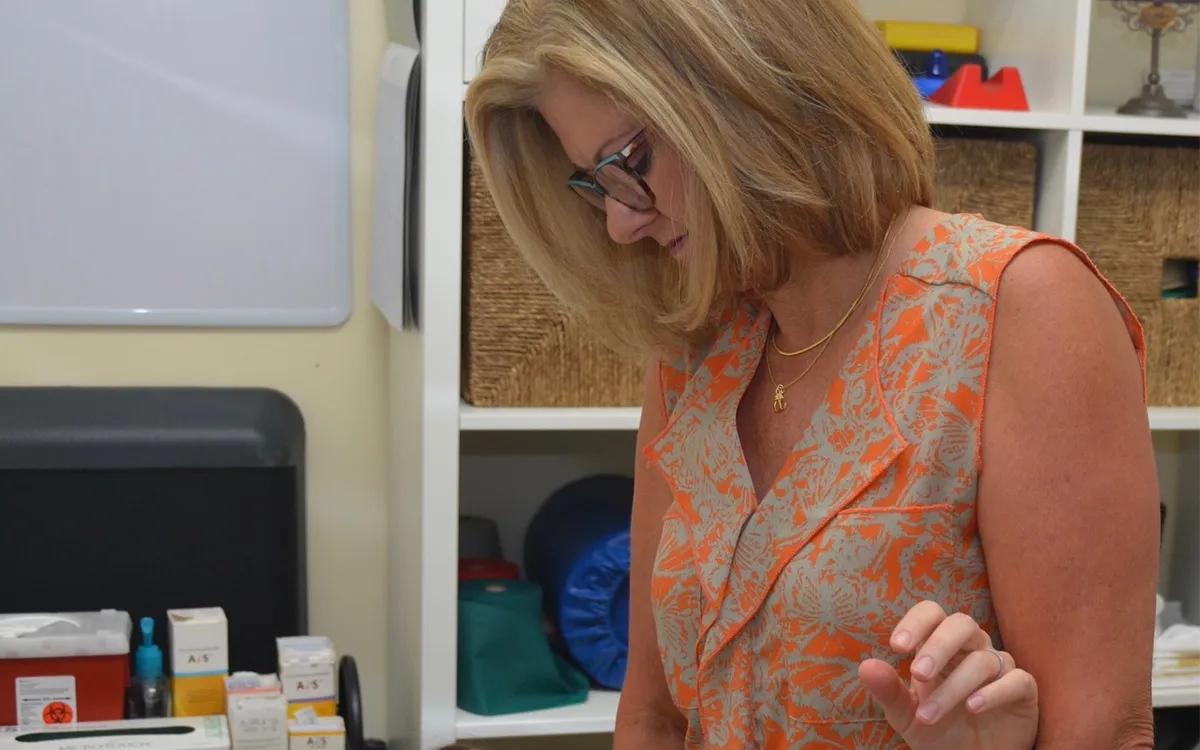
Shoulder weakness or poor mechanics often shows up downstream as elbow and wrist strain. We evaluate the whole arm, not just where it hurts.
Neck Pain
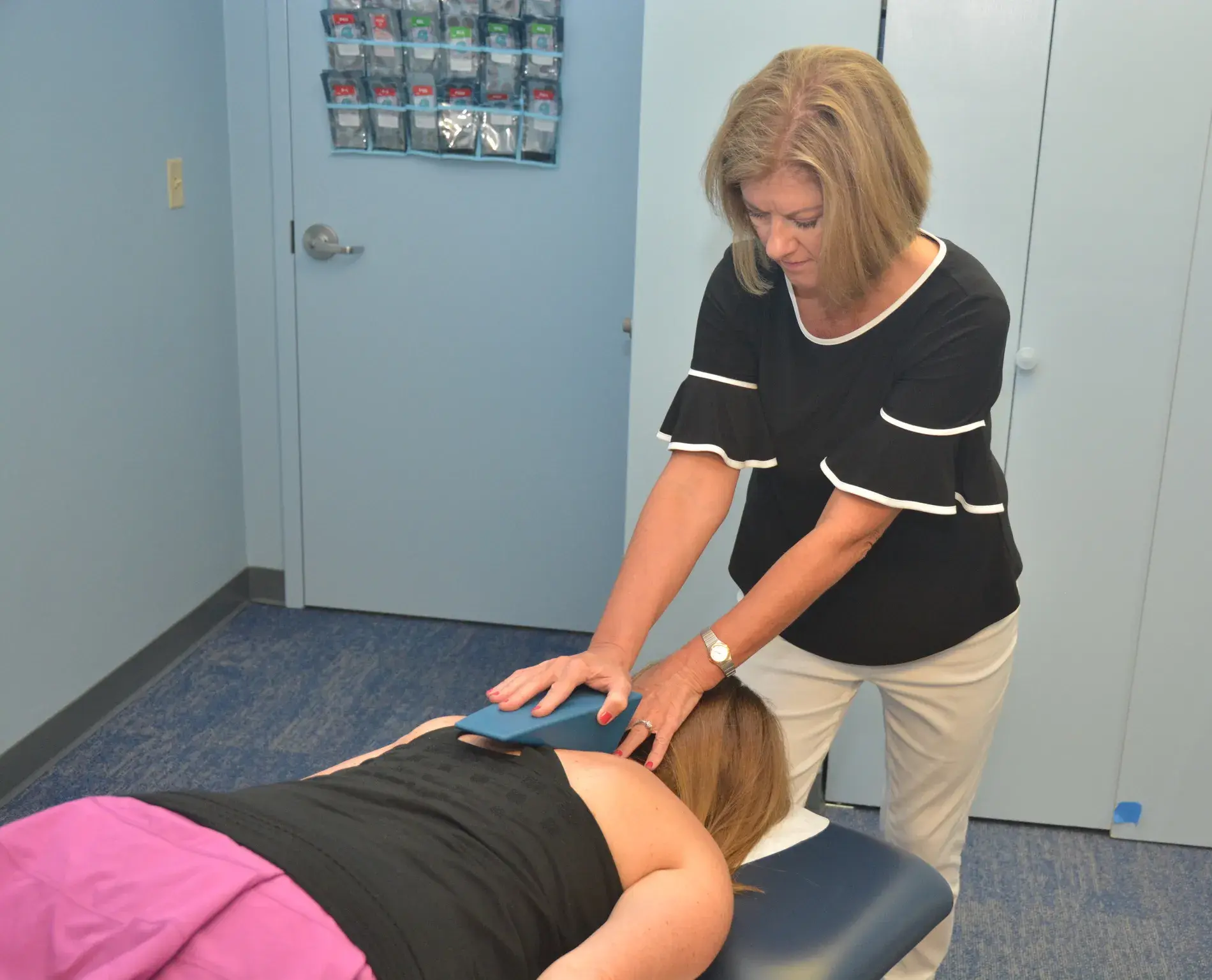
Numbness or tingling in the hand sometimes starts at the neck, not the wrist. An evaluation sorts out where the problem actually begins.
Back Pain & Sciatica
Throwing and racquet sports load the low back as much as the arm. We address the injury and the mechanics behind it, together.